Manny Ita
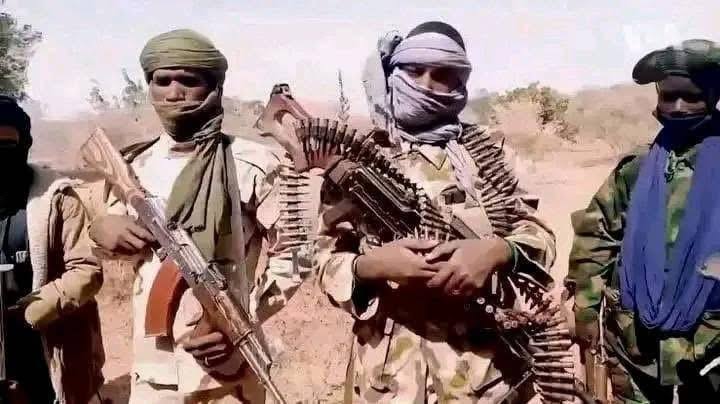
Tensions have escalated in Sokoto State following reports that at least six villagers were killed in a fresh terrorist attack, occurring in the same region recently targeted by a high-profile United States military operation. The local government areas of Tangaza and Silame have become the epicenter of a complex security crisis involving the “Lakurawa” insurgent group, an affiliate of ISIS in the Sahel. While the Nigerian government initially described the joint airstrikes as a strategic success, the subsequent retaliatory violence against local communities has raised urgent concerns about the protection of civilians in the volatile border region.
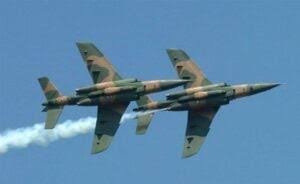
The current wave of violence is closely linked to a Christmas Day airstrike authorized by the Trump administration in coordination with the Nigerian military. U.S. Africa Command (AFRICOM) confirmed that drone strikes, reportedly launched from vessels in the Gulf of Guinea, targeted ISIS-linked camps in the Tangaza forest. President Donald Trump characterized the mission as a “powerful and deadly strike against ISIS terrorist scum,” asserting that the group had been primarily targeting Christian communities. However, Nigerian Foreign Minister Yusuf Tuggar clarified that the operation was a “joint collaboration” based on shared intelligence and was not focused on any specific religious demographic, but rather on neutralizing a group that has long extorted the local Muslim-majority population.
In the wake of these strikes, reports from local residents in the Silame and Tangaza areas indicate that surviving insurgents have begun fleeing their forest hideouts, often venting their frustration on nearby villages. The killing of six residents in a recent raid is believed by security analysts to be a direct fallout of the military pressure. President Bola Ahmed Tinubu has since issued a directive to the Military, Police, and DSS to “hunt down” the perpetrators, acknowledging that the terrorists are “testing the resolve of our country.” The Sokoto State government has also pledged ₦20 million in aid to affected families while urging residents to remain vigilant as the military conducts further assessments of the airstrike’s impact.
Despite the official narrative of a “successful” mission, questions linger over the long-term effectiveness of the strikes. While some researchers suggest that nearly 100 fighters were killed, other ground reports from towns like Jabo indicate that debris fell on empty farmland, suggesting intelligence may have been outdated. As the Lakurawa group reportedly attempts to regroup or cross the porous border into Niger, the Nigerian military has maintained that the joint operations will continue until the region is fully secured.