

Manny Ita –
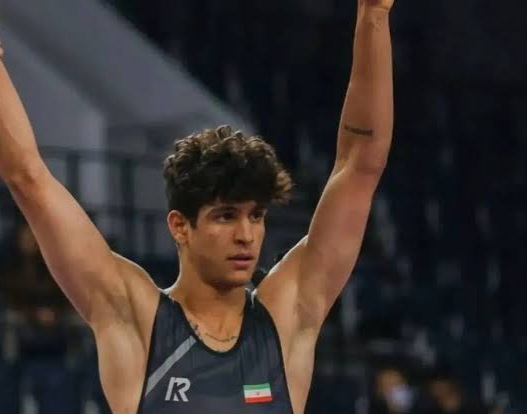
Iran has carried out the public execution of Saleh Mohammadi, a 19-year-old wrestling champion, in a development that has sparked widespread international condemnation and renewed scrutiny of the country’s human rights record.
Mohammadi, described as a promising athlete with aspirations for international competition, was executed by hanging in the city of Qom on March 19 alongside two other men following their conviction over alleged involvement in the killing of two police officers during anti-government protests earlier this year.
Iranian authorities stated that the individuals had been found guilty of “moharebeh” — a charge meaning “waging war against God” under Iranian law — accusing them of carrying out violent acts during the unrest. The country’s Supreme Court reportedly upheld the death sentences prior to the executions.
However, human rights organisations, including Amnesty International, have strongly challenged the legitimacy of the convictions, alleging that the accused were denied fair trials and that confessions presented in court may have been obtained under duress. The groups described the judicial process as “grossly unfair” and warned that the executions could be part of a broader effort to suppress dissent.
Mohammadi’s execution has drawn particular attention due to his age and sporting background, with critics arguing that targeting a young and high-profile athlete sends a chilling message to other youths amid ongoing tensions in the country.
The executions are among the first officially confirmed in connection with the wave of nationwide protests that erupted earlier in the year and were met with a forceful response from authorities. Thousands of individuals were reportedly detained during the unrest, raising concerns among rights groups that more detainees could face similar sentences.
International reaction has been swift, with advocacy organisations calling for increased pressure on Iran and urging global sporting bodies to respond. Observers have also drawn parallels with previous cases involving Iranian athletes, reinforcing concerns about the use of capital punishment in politically sensitive cases.
Iranian authorities have not publicly addressed allegations regarding torture or unfair trials, maintaining that the executions were conducted in accordance with the country’s legal framework. Meanwhile, activists warn that the incident may signal the beginning of a wider campaign aimed at deterring further anti-government demonstrations.
