




Manny Ita –
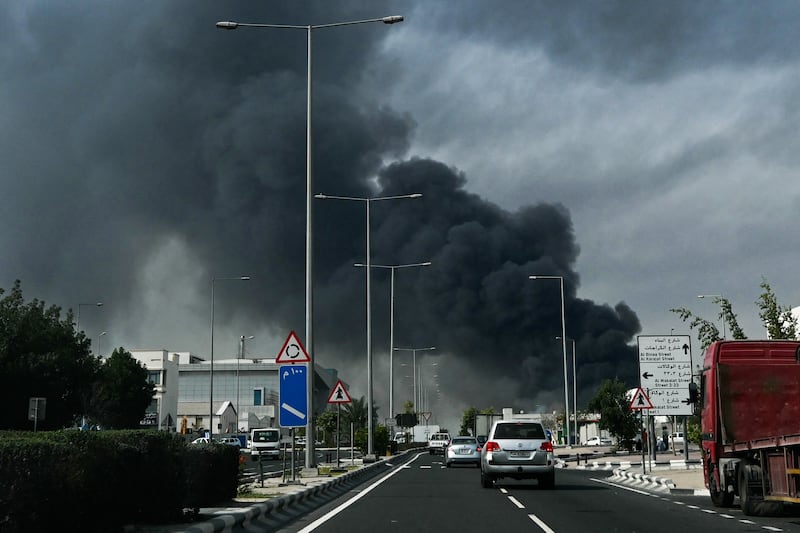
The United Arab Emirates has initiated an extensive public relations and legal campaign to preserve its reputation as a global safe haven following a massive aerial assault by Iran. Despite the country’s air defenses intercepting a vast majority of the over 1,800 missiles and drones fired at the territory, the scale of the onslaught has challenged the UAE’s long-standing branding as the world’s safest nation. In response, the government has utilized high-profile influencers and strict legal measures to counteract footage of strikes and reports of insecurity that threaten its tourism and service-based economy.
Prominent Dubai-based figures have rallied behind the state’s message of stability, urging residents and investors to remain in the country despite updated travel advisories from foreign consulates. Ebraheem Alsamadi, a reality television personality, publicly rejected suggestions to depart the Emirates in a widely circulated video. “This has been my home for the past 16 years and I’m not going to leave it in 16 seconds… I will stand by this country as it stood by me,” Alsamadi stated, describing the UAE as the safest country in the world.
Government-affiliated social media platforms have mirrored this sentiment, with Dubai’s official Instagram account releasing content emphasizing that the city “will always be safe.” Geopolitical analysts suggest that the current strategy is designed to decouple the image of the country from the regional conflict. Ryan Bohl, an analyst at Rane Network, noted that officials are “hoping the war will be short enough that people will not associate war with the country,” adding that “one of the best ways to do so is to minimise the impact of the conflict on the UAE itself.”
The economic stakes remain high for the Emirates, where approximately 90 percent of the population are foreign nationals essential to the country’s diversification efforts. Major commercial entities have reportedly moved to prevent signs of economic slowdown; real estate developer Emaar warned businesses against reduced operating hours, stating that “such actions undermine public order, create unnecessary concern and adversely affect the reputation and economic standing of the United Arab Emirates.” Despite these efforts, foot traffic at major landmarks like the Dubai Mall has reportedly thinned as some visitors have opted to leave.
To control the narrative, UAE authorities have implemented a crackdown on the dissemination of unauthorized imagery and information. The Dubai police and the Attorney General have issued warnings and ordered arrests of individuals filming security sites or sharing what officials termed “misleading, fabricated content.” While these measures aim to safeguard the nation’s reputation, experts like Bohl suggest the strategy “will backfire for specific audiences, particularly Westerners and others from democracies who are used to having freedom of expression.” The government continues to prioritize demonstrating safety to major investors in infrastructure and technology to protect long-term economic plans.