







Manny Ita –
Nigeria’s agricultural sector is witnessing a sharp rebound in investor confidence, with new data showing a 224 percent surge in investment, even as the country grapples with a deepening food waste crisis.
According to recent figures, agricultural investment rose significantly to $167.3 million in 2025 from $51.7 million in 2024, reflecting renewed domestic and foreign interest in the sector.
Analysts attribute the growth to favourable government policies, import waivers, and rising demand driven by Nigeria’s growing population, which continues to make agriculture an attractive investment destination despite persistent structural challenges.
The rebound follows a period of decline between 2022 and 2024, when insecurity, climate shocks, and rising production costs discouraged investment and disrupted farming activities across the country.
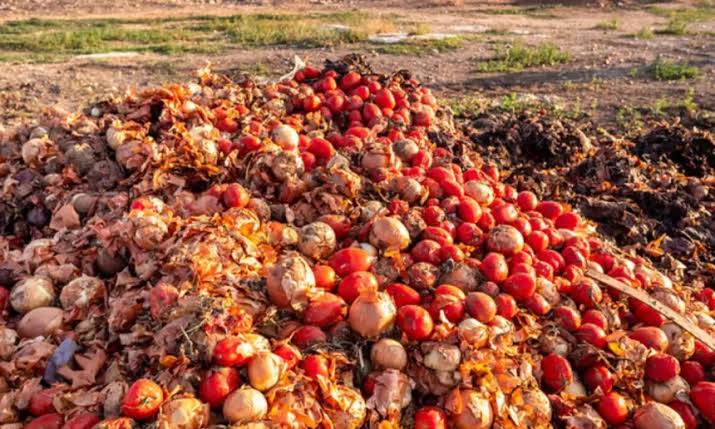
However, the investment surge contrasts sharply with Nigeria’s position as Africa’s largest food waster, losing an estimated 38 million tonnes of food annually.
The figure highlights a critical inefficiency in the country’s food system, where significant volumes of agricultural produce are lost across the value chain—from harvest to storage, transportation, and consumption.
Experts warn that the scale of food waste not only undermines food security and economic growth but also contributes to environmental degradation, with wasted food linked to greenhouse gas emissions and resource loss.
Stakeholders have called for urgent interventions such as improved storage infrastructure, cold-chain logistics, rural road development, and increased food processing capacity to reduce post-harvest losses.
While rising investment signals growing confidence in Nigeria’s agricultural potential, experts stress that addressing inefficiencies in the food system will be crucial to translating capital inflows into sustainable food security and economic gains.


