

Manny Ita –
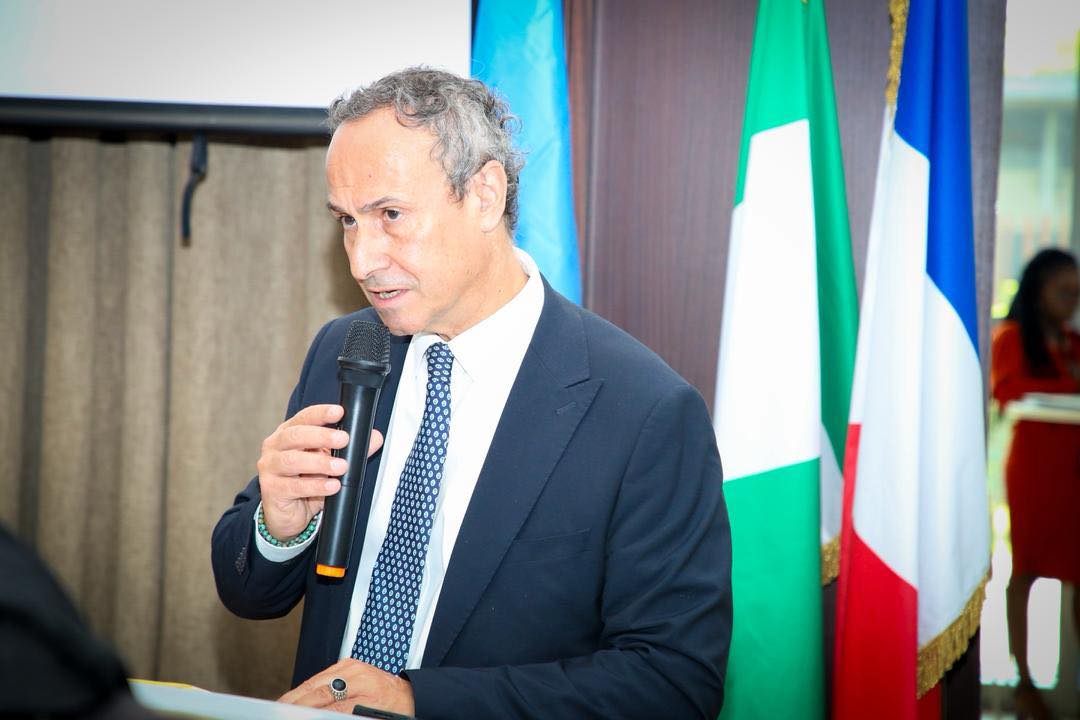
French automobile manufacturers are actively pursuing strategic partnerships with prominent Nigerian conglomerates to facilitate a return to the domestic market, according to the French Ambassador to Nigeria, Marc Fonbaustier. In an exclusive interview with Premium Times, the envoy detailed two primary collaborations intended to restore the presence of brands like Peugeot and Renault, which were once dominant in the Nigerian automotive landscape between the 1970s and 1990s. The first significant venture involves Dangote Peugeot Automobile Nigeria Limited (DPAN), a partnership between Dangote Industries Limited and the Stellantis Group. Operating a vehicle assembly plant in Kaduna State, the venture is currently expanding its production scope beyond the Peugeot 301 to include models such as the 308, 3008, 5008, and 508, with an annual production target of 44,000 units. Ambassador Fonbaustier described this goal as “ambitious but achievable,” signaling a long-term commitment to local assembly.
The second major collaboration involves a partnership between Renault and the Coscharis Group, a leading Nigerian automotive distributor. The two entities are reportedly working to “co-produce some vehicles,” specifically under the Logan brand. This move reflects a broader effort by the French industry to navigate the complexities of the Nigerian market, which saw the exit of many European manufacturers following the economic downturn of the mid-1980s and the subsequent rise of used vehicle imports. Despite the current competition from emerging local and Asian brands, Fonbaustier emphasized that the French approach is a “slow but conscientious” one. “We have new ambitions, but you know, for the automobile industry, it’s a long cycle,” he stated. “It took a long time for the French to vanish from the automobile scene. It will take a bit of time to see the resurrection and the arrival.”
Beyond the automotive sector, the Ambassador highlighted the enduring footprint of French commerce in Nigeria, noting that approximately 100 French companies continue to operate within the country. These firms collectively provide direct employment for 16,000 Nigerians, with historical investments estimated at $10 billion prior to the recent fluctuations in the value of the Naira. While the automotive re-entry is still in its developmental phase, the embassy maintains that the current industrial partnerships are part of a wider strategy to deepen economic ties. “I think French business in Nigeria is broader than that,” Fonbaustier added, suggesting that the “resurrection” of French car brands serves as a visible anchor for a much larger bilateral investment portfolio.
