






Manny Ita –
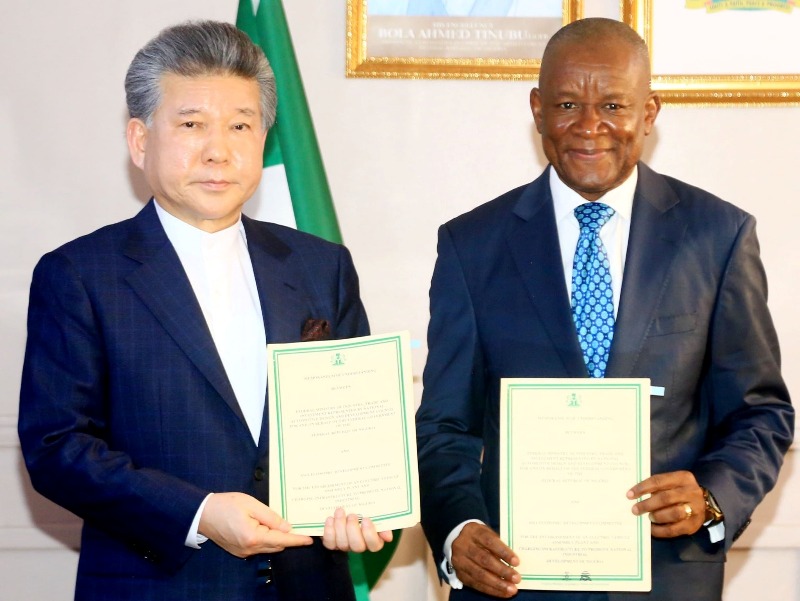
Nigeria has taken a significant step toward industrial transformation and clean energy adoption following the signing of an agreement with South Korea’s Asia Economic Development Committee to establish a large-scale electric vehicle manufacturing plant in the country.
The deal, which marks Nigeria’s formal entry into the global electric vehicle market, is expected to deliver an annual production capacity of up to 300,000 vehicles while generating approximately 10,000 direct and indirect jobs across the value chain. Government officials described the agreement as a “strategic milestone” aimed at positioning the country as a key player in Africa’s emerging EV ecosystem.
Under the terms of the partnership, the proposed facility will focus on the assembly and eventual full-scale manufacturing of electric vehicles, alongside the development of supporting infrastructure such as battery systems and charging networks. “This project is not just about vehicle production; it is about building an entire ecosystem that supports innovation, sustainability, and economic growth,” a senior government official said.
Representatives of the Asia Economic Development Committee expressed confidence in Nigeria’s market potential and strategic location, noting that the initiative aligns with broader efforts to expand green technology investments across Africa. “Nigeria offers a unique combination of market size, talent, and opportunity, making it an ideal destination for this kind of investment,” an AEDC delegate stated.
Industry stakeholders have welcomed the development, emphasizing its potential to reduce dependence on fossil fuel-powered vehicles and stimulate local manufacturing. “This is a forward-looking initiative that could redefine Nigeria’s automotive industry and create significant employment opportunities,” an automotive expert remarked.
The project is also expected to contribute to technology transfer and skills development, with provisions for training local engineers and technicians to support long-term operations. “Capacity building is central to the success of this initiative, and we are committed to ensuring that Nigerians are at the forefront of this transformation,” an official involved in the negotiations said.
While timelines for groundbreaking and production rollout are yet to be fully disclosed, authorities indicated that preparatory work, including site selection and regulatory approvals, is already underway. Analysts note that successful implementation will depend on infrastructure readiness, policy consistency, and sustained investor confidence.
The agreement underscores Nigeria’s growing focus on diversifying its economy and embracing sustainable technologies, as global demand for electric vehicles continues to rise.


