

Manny Ita –
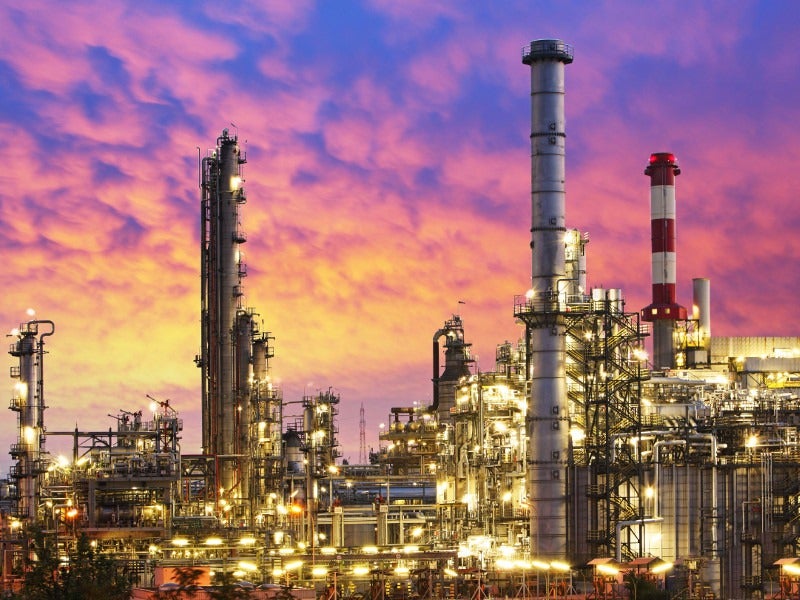
FOR decades, Nigeria’s economic narrative has been defined by a fundamental structural irony: the paradox of a nation swimming in crude oil while perpetually starved of refined products. It was a cycle of dependency that drained the national treasury and stifled domestic manufacturing. However, as of March 2026, the tectonic plates of the Nigerian industrial landscape are shifting. With the Dangote Refinery fully operational and preparing for an anticipated listing on the Nigerian Exchange (NGX) in mid-2026, the conversation has moved beyond mere fuel production. We are witnessing the birth of a sophisticated petrochemical ecosystem—a “Dangote Masterplan”—that promises to transform Nigeria from a raw material exporter into a regional manufacturing powerhouse.
The core of this transformation lies in the refinery’s integration with the broader downstream sector. Unlike traditional refineries, which often function as isolated islands of production, the Dangote facility has been engineered to serve as a massive industrial hub, or a “petrochemical mother-ship.” By producing high-grade polypropylene, polyethylene, and base oils alongside standard fuels, the refinery is feeding a hungry manufacturing sector that previously relied on expensive, volatile imports. This is not just about petrol at the pump; it is about the polymers required for food packaging, the fertilizers necessary for agro-industrial processing, and the specialty chemicals that serve as the building blocks for pharmaceuticals and textiles.
This “Petrochemical Linkage” is already sparking a secondary boom. Across the industrial clusters surrounding the Lekki Free Trade Zone, a new class of “New Industrialists” is emerging—small-to-medium-scale manufacturers pivoting their business models to capitalize on a localized supply chain. The potential impact of this shift is best illustrated by the transition from import-dependency to domestic value-addition, as detailed in the projected economic data for 2026:
Economic Multiplier Effect: The Petrochemical Transition (2026 Projections)
The true significance of this “masterplan” is the democratization of industrial input. By domesticating the production of the 77 grades of polypropylene, the refinery effectively allows SMEs to move from a “short-term survival” production cycle to long-term planning, as they no longer have to factor in the wild volatility of importing base resins. Furthermore, the link between urea production and agricultural yields provides a compounding effect on Nigeria’s GDP. This creates a direct pipeline: Refinery Feedstock → Affordable Fertilizer → Increased Crop Yields → Agro-Industrial Processing → Export Readiness.
The strategy, however, is not without its systemic challenges. While the Dangote Masterplan provides the infrastructure, the downstream boom remains sensitive to a volatile global energy market. As of March 9, 2026, the refinery has been forced to absorb nearly 20% of the cost escalations resulting from the current Middle East energy crisis, even as it continues to prioritize domestic supply over more lucrative international exports. Furthermore, the logistics of transporting hazardous petrochemical materials across the country requires a level of infrastructure maturity that Nigeria is still racing to develop, with the refinery currently accelerating the deployment of CNG-powered trucks to bridge these distribution gaps.
Critics also point to the potential for market monopolization; as the Dangote ecosystem expands its footprint, the challenge for regulators will be to ensure that this vertical integration remains an engine for broad-based growth rather than a closed-loop system that squeezes out smaller, innovative players. To ensure these “New Industrialists” do not just survive but scale, policy must pivot toward aggressive support for SME clusters located near these industrial zones, providing them with reliable power and simplified access to these petrochemical feedstocks.
Nevertheless, the strategic weight of this petrochemical shift cannot be overstated. By listing on the NGX, the project has democratized ownership, allowing a wider base of institutional and retail investors to bet on Nigeria’s industrial future. As we look toward the remainder of 2026, the success of the Dangote Masterplan will be measured by the “multiplier effect.” Can the availability of domestic petrochemical feedstocks ignite a renaissance in the textile industry? Can the massive production of urea-based fertilizers drive the agro-industrial zones to record-breaking export volumes? The refinery stands not just as a monumental engineering feat, but as a proof of concept: that Nigeria’s path to prosperity is paved not with the export of crude, but with the industrial mastery of its own resources.
