
Close Menu

    Subscribe to Updates

    Get the latest news as they happen

    What's Hot

    Dangote Cement Powers Global Sustainability Innovation At A4S 2026

    April 30, 2026

    Yuguda Gets Senate Confirmation as CBN Deputy Governor

    April 30, 2026

    Bianca Odumegwu-Ojukwu Replaces Tuggar as Foreign Affairs Minister

    April 30, 2026
    Facebook X (Twitter) Instagram
    Megastar Magazine
    • Politics

      Tinubu Approves Obafemi Hamzat As Lagos Governorship Candidate

      April 30, 2026

      Trader Enters 2027 APC Presidential Race with ₦100m Forms, Challenges Tinubu

      April 29, 2026

      Abiodun Unveils Roles on Daniel’s Governorship, Senatorial Achievements

      April 29, 2026

      Court Stops INEC from Recognising ADC Congresses Linked to David Mark Camp

      April 29, 2026

      Indigenous Groups in Lagos Formally Endorse President Tinubu for Second Term in 2027

      April 28, 2026
    • Entertainment
      1. People
      2. Events
      3. Fashion
      Featured
      Entertainment April 28, 2026

      Wizkid Announces 20-City “Morayo” World Tour Following Record-Breaking Album Debut

      Recent

      Wizkid Announces 20-City “Morayo” World Tour Following Record-Breaking Album Debut

      April 28, 2026

      2026 Liberian Entertainment Awards: Davido Named Best International Act 

      April 28, 2026

      Michael Jackson Biopic Debuts at No. 1 in North America with $97 Million Opening

      April 26, 2026
    • Business

      Uber has introduced a new hotel booking feature within its app as part of its strategy to evolve into a comprehensive “everything app.” The service, developed in partnership with Expedia, allows users to search and reserve hotel rooms from a selection of more than 700,000 properties. The feature integrates travel tools such as maps, filters, and pricing options, while enabling payments through saved card details already stored in the Uber platform. According to Uber CEO Dara Khosrowshahi, the company is expanding beyond ride-hailing and food delivery to become a unified platform for a wide range of everyday services. Expedia CEO Ariane Gorin said the collaboration is aimed at simplifying travel planning and reducing the steps required to complete bookings. Uber also plans to extend the partnership to include short-term rental listings through Vrbo in the future. The move reflects a broader global trend toward multifunctional apps that combine services like transport, shopping, and payments in a single ecosystem, similar to platforms such as WeChat and Alipay in China. Other tech companies are also pursuing similar “super app” models, including Airbnb, which has added experiences and personal services, and X, which is exploring financial services integration. Uber further revealed plans to incorporate AI-powered tools, including meal planning, shopping list creation, delivery coordination, and a voice assistant for navigating the app.

      April 29, 2026

      BUA Cement Sustains Revenue Growth by 22.1% to N355bn in Q1 2026

      April 27, 2026

      Southwest Investment Summit and Awards 2026 Set to Drive Regional Growth, Honour Change-Makers

      April 26, 2026

      Transcorp Group reports ₦125.1bn revenue and ₦50.7bn profit before tax in Q1 2026 results

      April 25, 2026

      Dangote Refinery Exports 1.1bn Litres Of Aviation Fuel To Europe, Supplies 95% Of Nigeria’s Jet A1 – AON  

      April 24, 2026
    • Health

      Nigeria’s Malaria Prevalence Falls to 15%, From 20% ~ FG

      April 29, 2026

      Cross River Dismisses Report of New COVID-19 Cases

      April 23, 2026

      Cross River Activates Emergency Response As It Confirms First COVID-19 Case Since 2022

      April 23, 2026

      FG Bans Importation of Paracetamol, Metronidazole to Boost Local Drug Production

      April 19, 2026

      Heatwave Raises Malaria Risk as Health Officials Issue Nationwide Alert

      April 17, 2026
    • Culture

      Olu of Warri, Asantehene Seal Historic Royal Bond, Ogiamẹ Atuwatse III Receives Peace Artifact

      April 27, 2026

      Adron Homes Strengthens Cultural Influence During Ibadan Cultural Festival

      April 20, 2026

      Ogun State to Showcase “The Rock That Remembers” at Milan Design Week

      April 19, 2026

      Tourism: Olumo Rock Revenue Hits N40m Monthly After Refurbishment ~ Ogun Gov

      April 18, 2026

      Adron Homes Champions Cultural Heritage at Ibadan Cultural Festival 2026

      April 17, 2026
    • Lifestyle

      World Bank Highlights Early Childhood Development as Key to Nigeria’s Economic Future

      April 19, 2026

      Hilda Baci Secures Third Guinness World Record, Extends Culinary Milestone

      April 6, 2026

      Lagos Hosts “Homecoming Live Music Show” as Alternative Scene Takes Center Stage

      April 4, 2026

      QR Menus and Aesthetic-Driven Dining Redefine Restaurant Experience for Gen Z

      March 27, 2026

      How My Gold Jewelry Ended In Lagoon ~ Adeboye

      March 19, 2026
    • Sports

      FIFA to Reduce Player Bans, Introducing New Yellow Card System

      April 28, 2026

      Ghana Wins Hosting Rights for 2027 U-20 AFCON

      April 28, 2026

      D’Tigress Set for Historic USA Tour Opener Against Los Angeles Sparks

      April 25, 2026

      D’Tigress in group with France, South Korea in FIBA World Cup

      April 22, 2026

      FIFA ranking: Super Falcons top Africa at 36th position

      April 21, 2026
    • Contact
    YouTube Facebook Instagram WhatsApp
    Megastar Magazine
    Home » FIRSTBANK’S ₦1 TRILLION DIGITAL LOAN DISBURSEMENT MILESTONE AND THE NEW ERA OF INCLUSIVE LENDING IN NIGERIA 
    Business

    FIRSTBANK’S ₦1 TRILLION DIGITAL LOAN DISBURSEMENT MILESTONE AND THE NEW ERA OF INCLUSIVE LENDING IN NIGERIA 

    Ifetayo AdeniyiBy Ifetayo AdeniyiAugust 29, 20256 Mins Read
    Facebook Twitter Pinterest LinkedIn WhatsApp Reddit Tumblr Email Telegram
    Share
    Facebook Twitter WhatsApp Telegram Email

    FIRSTBANK’S ₦1 TRILLION DIGITAL LOAN DISBURSEMENT MILESTONE AND THE NEW ERA OF INCLUSIVE LENDING IN NIGERIA
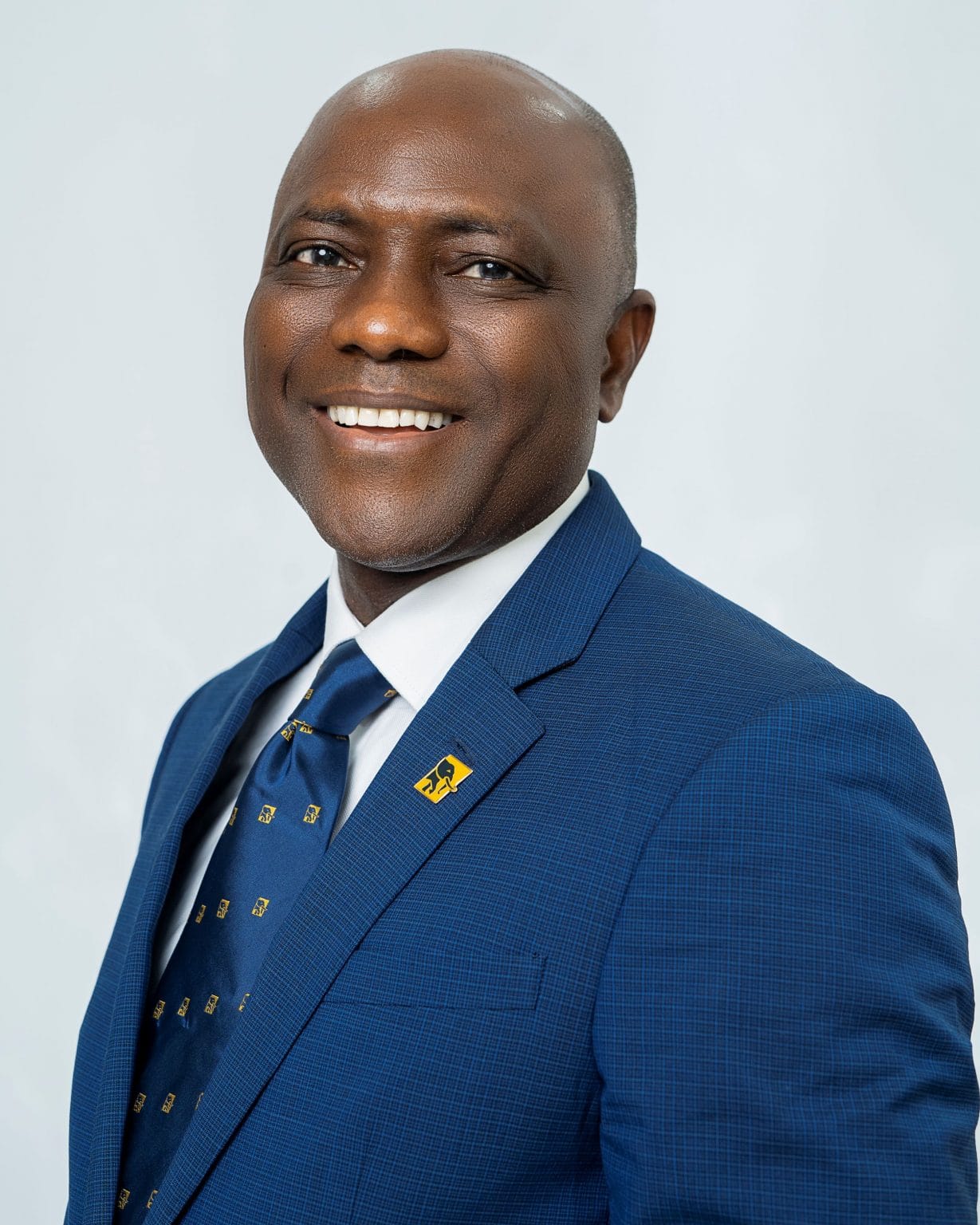
    Segun Alebiosu, MD/CEO, FirstBank

    For decades, Nigeria’s credit system posed significant challenges for small businesses and low-income earners, who often struggled to qualify for loans. Traditional banks demanded collaterals, guarantors, and endless paperwork, effectively shutting out a large portion of the population working in the informal economy. FirstBank’s digital lending model flipped the script. With the launch of its digital lending model, the bank eliminated collateral requirements and slashed approval times from weeks to under five minutes. Loans now flow through multiple channels including *894# (the Bank’s USSD service), FirstMobile, LitApp, and the FirstMonie agent network, reaching market traders, civil servants, rural farmers and everyday individuals.

    When FirstBank disbursed its first instant digital loan in August 2019, the transaction seemed like a bold experiment in tech-driven finance. Today, just six years later, the 131-year-old financial institution has announced cumulative disbursements of over N1 trillion in digital loans, a milestone that redefines the scale of retail digital lending in Nigeria’s financial services industry. This achievement reflects a deep shift in the way and manner Nigerians (salary earners, small and medium scale entrepreneurs, and the financially excluded) access loans. Credit, once a privilege for the wealthy or formally employed, is now a tap away for millions of Nigerians. FirstBank is helping people to grow their businesses, seize opportunities, and stay afloat in challenging times.

    The numbers tell a compelling story: over 1.5 million unique borrowers have accessed loans through FirstBank’s digital platforms. For a banking system historically constrained by bureaucracy, and rigid risk models, the existence of collateral-free, instant digital loans comes as a relief. FirstBank has tapped into an unmet demand that traditional lending channels have struggled to capture. Its digital lending ecosystem, designed with Artificial Intelligence and Machine Learning, is tailored to assess high-risk segments that conventional credit scoring often overlooks.

    In Nigeria, where over 40 percent of the adult population are still underbanked or completely unbanked, FirstBank is reshaping what inclusion looks like. The issue is not that Nigerians lack ambition or the ability to repay loans; it is that traditional banking systems have long struggled to assess their creditworthiness. Legacy models simply could not capture the financial realities of people outside the formal economy.

    FirstBank is rewriting that narrative. Through a range of digital loan products (FirstAdvance for salary earners, FirstCredit for individuals without formal employment, and Agent Credit for micro-businesses operating within the FirstMonie Agent network), the bank is showing how financial inclusion can be scaled with smart, data-driven tools. These products are tailored to meet people where they are, using technology to bridge gaps that paperwork once made impassable.

    FirstBank’s digital lending strategy deeply aligns with Nigeria’s broader financial inclusion goals. The 2023 EFInA Survey Report on Access to Financial Services in Nigeria (A2F) shows that 64 percent of the Nigerian population is now formally included in the financial system. Much of this progress is thanks to the increased adoption of mobile money and digital financial services, which are making banking accessible even in the most remote corners of the country.

    The implications for micro, small, and medium enterprises (MSMEs) are profound. According to the Small and Medium Enterprises Development Agency of Nigeria (SMEDAN), MSMEs contribute nearly 50 percent to the country’s GDP and employ over 80 percent of the labour force, yet access to formal credit remains one of their greatest constraints. Through Agent Credit, FirstBank empowers small traders, artisans, and shopkeepers, many in areas far from any bank branch, with quick, affordable capital. This redistribution of financial access fosters economic participation and resilience at the grassroots.

    The significance of this model extends beyond Nigeria. Across Africa, where an estimated 350 million adults lack access to formal financial services, FirstBank’s model offers a blueprint. African banks can leverage existing mobile adoption, behavioural data, and agent networks to build credit ecosystems suited to local realities, utilising digital lending as a bridge between exclusion and empowerment. It is proof that banks can be more than just gatekeepers; they can be catalysts for inclusive growth.

    Industry analysts see FirstBank’s digital lending milestone as part of a broader evolution in Nigeria’s digital economy. In the past decade, the proliferation of mobile banking and agent banking has pushed the boundaries of accessibility. Yet, access to credit has remained a stubborn bottleneck. While savings and payment platforms grew quickly, lending stayed cautious. Banks were held back by the risk of defaults, weak identification systems, and limited credit histories. FirstBank is showing how that equation can be changed. By using data aggregation, alternative credit scoring models, and digital channels, the bank is unlocking new ways to assess risk and extend credit more confidently.

    However, scaling digital credit also raises questions about sustainability and customer protection. In Kenya, for example, the rapid growth of digital loans over the past decade led to concerns about over-indebtedness, data privacy, and predatory lending practices by unregulated operators. Nigeria’s regulatory environment will need to balance innovation with safeguards, ensuring that customers are included and protected. FirstBank is ahead on this, leveraging AI not only for loan approvals but also for proactive risk management, ensuring defaults are minimised and repayment behaviour is nurtured responsibility.

    Another dimension is the competitive landscape. Many fintech lenders have built reputations on offering fast, collateral-free loans. Yet, their model has often been characterised by exploitative interest rates and coercive repayment tactics, and regulatory headwinds. FirstBank, with its balance sheet strength, established reputation, and nationwide presence, has a competitive edge in blending the agility and flexibility of fintech with the resilience of traditional. With over N1 trillion digital loans successfully processed, the bank demonstrates the ability to serve Nigerians with speed while providing a level of institutional trust many customers still value.

    The milestone also reflects a cultural shift in how Nigerians relate to their banks. For decades, traditional banks were perceived as conservative institutions, more interested in corporate customers than on individuals struggling with school fees, rent, or working capital for their shops. By embedding loan access into its digital channels and the FirstMonie Agent network, FirstBank has repositioned itself as a partner in everyday life. Whether customers use smartphones or basic feature phones, they now have equal access to credit and are no longer sidelined by technology gaps or administrative hurdles.

    From an economic perspective, the ripple effects of FirstBank’s digital lending ecosystem are far-reaching. Beyond consumption smoothing for households, instant digital loans catalyse economic activity in local markets. Traders can restock quickly, farmers can purchase farm inputs when they are needed, and artisans are able to meet unexpected orders. When aggregated, these micro-impacts contribute to broader productivity and growth, helping to stabilise the informal economy that forms the lifeblood of local commerce.

    As FirstBank marks this landmark achievement, it also confronts the responsibility that comes with scale. Digital lending at this magnitude is not merely a product line; it is a public utility shaping how millions experience financial security. Sustaining this momentum will require continuous innovation and a firm focus on customer empowerment, values that are deeply ingrained in the bank’s DNA.

    Share. Facebook Twitter Pinterest LinkedIn WhatsApp Reddit Tumblr Email
    Previous ArticleGlo Appreciates Nigerians for 22 Years of Unwavering Patronage, Support
    Next Article GTCO raises GTBank’s Paid-Up Capital to ₦504 Billion
    Ifetayo Adeniyi
    • Website

    Adeniyi Ifetayo Moses is an Entrepreneur, Award winning Celebrity journalist, Luxury and Lifestyle Reporter with Ben tv London and Publisher, Megastar Magazine. He has carved a niche for himself with over 15 years of experience in celebrity Journalism and Media PR.

    Related Posts

    Business April 29, 2026

    Uber has introduced a new hotel booking feature within its app as part of its strategy to evolve into a comprehensive “everything app.” The service, developed in partnership with Expedia, allows users to search and reserve hotel rooms from a selection of more than 700,000 properties. The feature integrates travel tools such as maps, filters, and pricing options, while enabling payments through saved card details already stored in the Uber platform. According to Uber CEO Dara Khosrowshahi, the company is expanding beyond ride-hailing and food delivery to become a unified platform for a wide range of everyday services. Expedia CEO Ariane Gorin said the collaboration is aimed at simplifying travel planning and reducing the steps required to complete bookings. Uber also plans to extend the partnership to include short-term rental listings through Vrbo in the future. The move reflects a broader global trend toward multifunctional apps that combine services like transport, shopping, and payments in a single ecosystem, similar to platforms such as WeChat and Alipay in China. Other tech companies are also pursuing similar “super app” models, including Airbnb, which has added experiences and personal services, and X, which is exploring financial services integration. Uber further revealed plans to incorporate AI-powered tools, including meal planning, shopping list creation, delivery coordination, and a voice assistant for navigating the app.

    Business & Economy (Africa) April 27, 2026

    BUA Cement Sustains Revenue Growth by 22.1% to N355bn in Q1 2026

    Business April 26, 2026

    Southwest Investment Summit and Awards 2026 Set to Drive Regional Growth, Honour Change-Makers

    Business April 25, 2026

    Transcorp Group reports ₦125.1bn revenue and ₦50.7bn profit before tax in Q1 2026 results

    International Business April 24, 2026

    Dangote Refinery Exports 1.1bn Litres Of Aviation Fuel To Europe, Supplies 95% Of Nigeria’s Jet A1 – AON  

    FoodStar April 22, 2026

    Guinness Nigeria Shines as Major Winner in Sustainability Award at Industry Awards

    Leave A Reply Cancel Reply

    Don't Miss
    News April 30, 2026

    Dangote Cement Powers Global Sustainability Innovation At A4S 2026

    Members of the DCP mentored REMI Solution team from Ashesi University, Ghana; (l-r) Jamiu Olamide…

    Yuguda Gets Senate Confirmation as CBN Deputy Governor

    April 30, 2026

    Bianca Odumegwu-Ojukwu Replaces Tuggar as Foreign Affairs Minister

    April 30, 2026

    Tinubu Approves Obafemi Hamzat As Lagos Governorship Candidate

    April 30, 2026

    Subscribe to Updates

    Get the latest news as they happen

    Stay In Touch
    • Facebook
    • Twitter
    • Pinterest
    • Instagram
    Our Picks

    Climate Clock World appoints SDG Advocate Chuks Anyaduba as Director for Projects & Partnerships, Climate Clock Nigeria

    December 2, 2021

    17th Edition of Prestigious Honorary African Leadership People’s Heritage Gold Awards

    November 16, 2021

    Mars E&P secures $274 million facility from AFREXIM Bank

    November 25, 2021
    New Comments
    • Anozie okolo on Supreme Court Affirms President Tinubu’s Victory As Atiku, Peter Obi Lose
    • Mc richman on Nigeria and South African Music histories
    • Moses Ibrahim on Olu of Warri: Pictorial @ The Ogiame Atuwatse III Economic Summit.
    • Sen Rich Kay on MALARIA ERADICATION: Prince Ned Nwoko & NMEP Meet for joint action.
    Megastar Magazine
    YouTube Facebook WhatsApp Instagram
    • Privacy Policy
    • Terms of Use
    • Contact Us
    © 2026 Megastar Magazine. Designed by MANNDI

    Type above and press Enter to search. Press Esc to cancel.