






Manny Ita
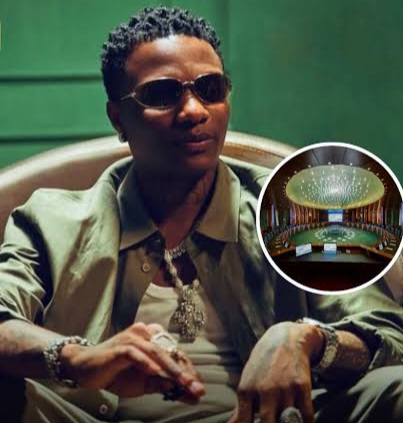
The Nigerian digital landscape has been dominated by a heated debate following an unconventional “presidential bid” by global music star Ayodeji Balogun, popularly known as Wizkid. During a series of late-night interactions on X and Instagram Live, the singer pivoted from music promotions to national governance, jokingly posting, “Maybe I should just be the President. At least the country will have ‘Steeze’ and good music.” He further introduced the “More Love, Less Ego Party” (MLLE Party), claiming its primary manifesto would revolve around providing “free premium vibes and zero stress” for all Nigerians.
What began as a characteristic display of nonchalance has evolved into a serious analytical discourse across social media. Supporters of the “Big Wiz” movement argue that his star power, business acumen as the head of Starboy Entertainment, and ability to bridge tribal and international divides could offer a fresh, people-centric perspective to Nigerian leadership. Conversely, skeptics have dismissed the move as a strategic celebrity stunt designed to maintain relevance or promote his upcoming projects, noting the artist’s historically low profile in direct political activism and his lack of administrative experience.
The declaration has mobilized “Wizkid FC,” the singer’s formidable fanbase, who have flooded the internet with mock campaign posters and a satirical cabinet. The fan-led administration includes DJ Tunez as Vice President, Tems as Minister of Foreign Affairs, Rema as Minister of Youth and Sports, and his manager, Jada Pollock, as Minister of Finance. Despite the fervor, the movement lacks legal standing; a political reality check confirms that no official filing has been made with the Independent National Electoral Commission (INEC), and the MLLE Party does not exist as a registered legal entity.
The reaction from industry peers has been swift and varied. Davido, who has a history of active political participation, countered the movement with a playful jab on Instagram, stating, “Election no be by steeze o! Experience is key.” He later joked about forming a “30BG Unity Party” that would “actually share the money.” Burna Boy offered a more cynical critique, describing the situation as a reflection of the country’s state. “Nigeria is a big playground,” he remarked in a recent Lagos interview. “If the biggest stars are joking about being president, it shows you how much of a joke the system has become.”
Criticism has also come from more traditional quarters, with Afrobeat artist Seun Kuti cautioning against comparing Wizkid’s social media “vibes” to the revolutionary activism of Fela Kuti. He urged the public to “Stop looking for messiahs in pop stars who are only interested in brand deals.” Meanwhile, social commentator VeryDarkMan released a viral video labeling the political banter insensitive to the economic struggles of average Nigerians. As the debate continues, analysts suggest the “Popsy Party” phenomenon highlights a growing disconnect between Nigeria’s youth and the traditional political class ahead of the 2027 cycle.


