

Manny Ita –
A severe funding shortage is delaying the deployment of dozens of newly confirmed Nigerian ambassadors, leaving many foreign missions understaffed and operating in deteriorating conditions despite the formal approval of envoys by the federal government, diplomatic sources have disclosed.
While high-profile postings to major capitals — including the United Kingdom, France, and the United States — have been filled, numerous other embassies and consulates across Africa, Asia, Eastern Europe, and Latin America remain without substantive heads of mission, forcing senior career diplomats to serve in acting capacities for extended periods.
Officials familiar with the situation say the problem stems from insufficient budgetary releases needed to cover relocation expenses, accommodation, operational logistics, and arrears owed to missions abroad. Without these funds, newly confirmed ambassadors cannot formally assume duty even after completing all administrative procedures in Abuja.
“Deployment requires significant upfront funding — housing, security arrangements, vehicles, and mission operations,” a senior foreign service official said. “In many cases, those funds have simply not been released.”
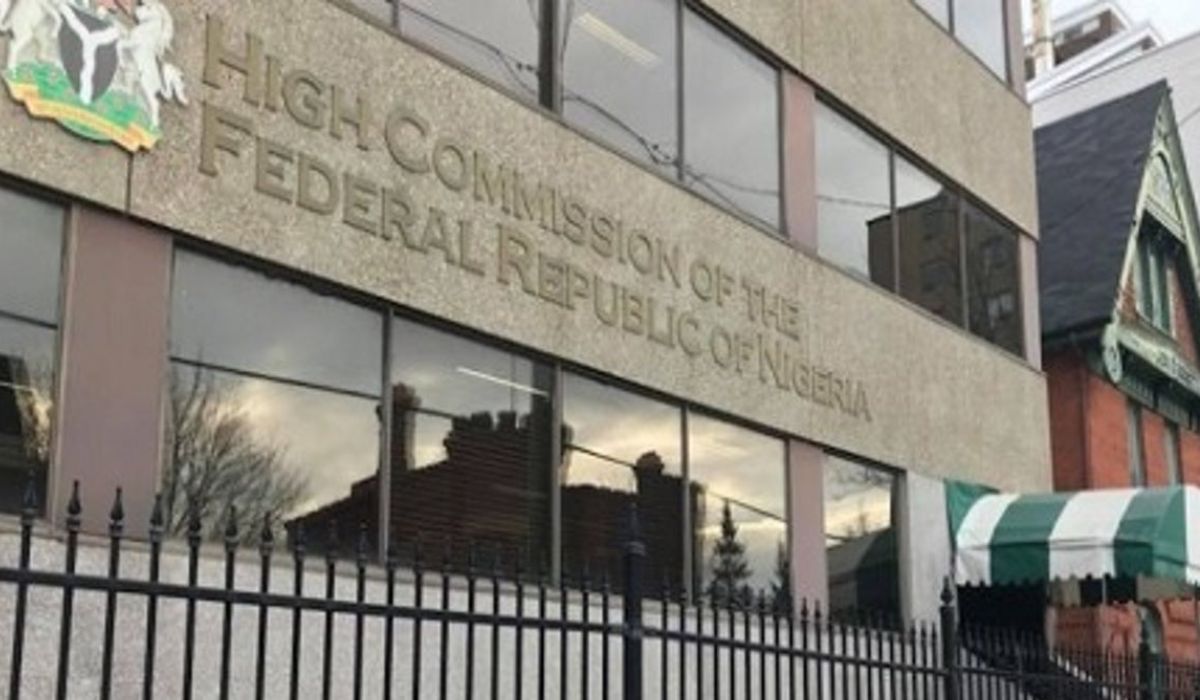
Several missions are reportedly struggling with unpaid utility bills, deteriorating buildings, and reduced consular services, raising concerns about Nigeria’s diplomatic image and its ability to support citizens overseas. Staff members in some posts have resorted to cost-cutting measures, including limiting public services and postponing maintenance work.
A diplomat stationed in Africa described the situation as increasingly untenable. “Some of our facilities are in urgent need of repairs, but there is no money. We are doing the best we can to keep services running,” the official said.
The Ministry of Foreign Affairs has acknowledged financial constraints affecting overseas operations but insists efforts are ongoing to stabilize funding. Officials say priority was initially given to strategic missions in major global powers due to their economic, political, and security importance to Nigeria.
Analysts warn that prolonged vacancies in ambassadorial positions could weaken Nigeria’s influence abroad, slow bilateral negotiations, and hinder trade promotion efforts at a time when the country is seeking foreign investment and stronger international partnerships.
Diplomatic experts also note that ambassadors play a crucial role in crisis response, diaspora engagement, and intelligence gathering, making their absence particularly consequential. “An embassy without a substantive ambassador operates below full capacity,” a former envoy said. “You lose access, visibility, and negotiating weight.”
There are growing calls for the federal government to release emergency funding to rehabilitate missions and complete the deployment process. Lawmakers have reportedly begun reviewing the situation, with some urging a comprehensive audit of Nigeria’s diplomatic infrastructure worldwide.
Officials say a phased deployment plan is under consideration, but no firm timeline has been announced. “We are working to ensure that all confirmed ambassadors take up their posts as soon as resources permit,” a ministry source said, adding that restoring full functionality to missions remains a priority.
