





Manny Ita
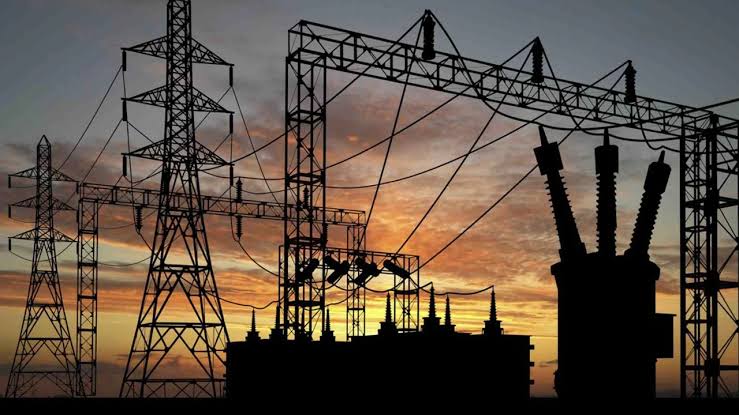
Nigeria’s electricity sector is facing a deepening fiscal crisis as the federal government incurred a staggering ₦1.98 trillion in subsidy obligations over a 12-month period. According to the latest reports from the Nigerian Electricity Regulatory Commission (NERC) released this January, the financial strain is being compounded by massive energy losses and a significant debt overhang. Despite efforts to implement cost-reflective tariffs, such as the Band A adjustment in April 2024, the government continues to bridge the gap between consumer payments and the actual cost of power generation. NERC data reveals that between October 2024 and September 2025, the subsidy totaled ₦1.98 trillion, with the government “hemorrhaging approximately ₦165 billion per month to keep the grid from total collapse.” The burden peaked in the first quarter of 2025 at ₦536.4 billion before moderating slightly to ₦458.75 billion by the third quarter.
A primary driver of this financial shortfall is the persistent inefficiency of the national grid, with industry data indicating that approximately 40% of generated electricity is lost before reaching consumers. These technical and commercial losses are attributed to an aging, fragile transmission network and widespread energy theft. As of January 11, 2026, grid supply dropped to 3,810 MW, a significant decline from the previous week’s 4,330 MW, following a partial system collapse on December 29, 2025. This liquidity crunch is further exacerbated by internal and international debts; the federal government currently owes power generation companies over ₦4 trillion in historical arrears, while neighboring West African countries—Togo, Benin, and Niger—owe Nigerian power firms approximately ₦25.36 billion ($17.8 million) for electricity exports.
Amidst these challenges, the sector has seen major corporate shifts, including the recent exit of billionaire Femi Otedola from Geregu Power Plc. MA’AM Energy Limited has emerged as the new owner after acquiring a 95% equity stake in Amperion Power Distribution Company for an estimated $750 million. Meanwhile, the Senate Committee on Power has expressed grave concern over the stability of the industry. Committee Chairman Senator Enyinnaya Abaribe noted that the sector is “hanging on a cliff,” warning that many private investors lack the necessary financial and technical ability. Abaribe specifically criticized operators for allegedly “hiding behind judicial proceedings” to avoid fulfilling contractual obligations, a practice he stated is actively frustrating regulatory compliance and worsening the sector’s overall liquidity problems.