






Manny Ita –
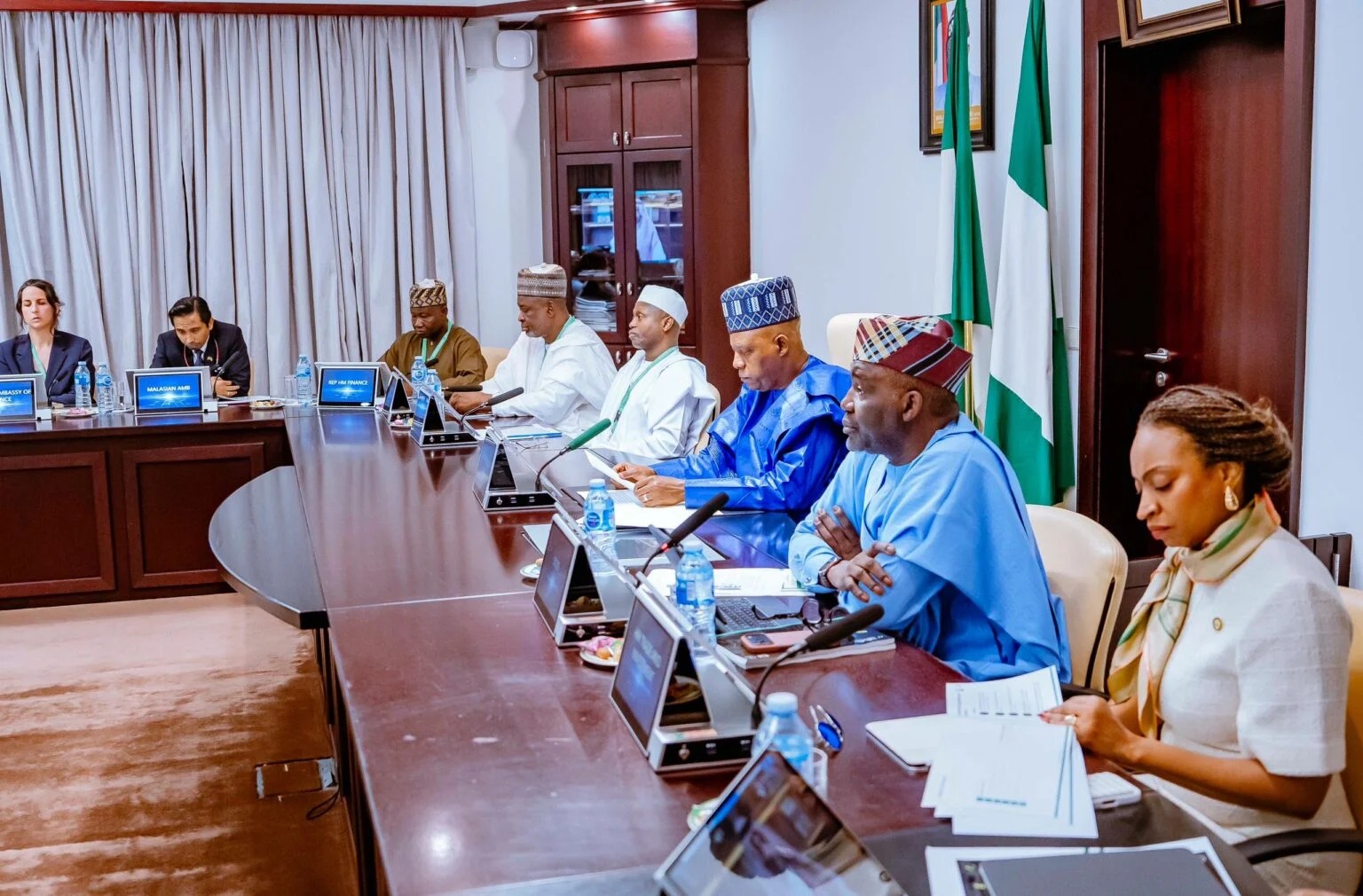
The Federal Government has formally launched the Nigeria National Halal Economy Strategy, a comprehensive policy framework designed to position the country as a leading global hub for halal-compliant trade and ethical finance. Unveiled at the State House in Abuja on Thursday, February 5, 2026, the strategy aims to tap into the $7.7 trillion global halal market, with projections to unlock over $12 billion in economic cfvalue for Nigeria by 2030. President Bola Ahmed Tinubu, represented by Vice President Kashim Shettima, described the initiative as a “declaration of our promise to meet global standards with Nigerian capacity and to convert opportunity into lasting economic value.” The President emphasized that the move is a signal of the nation’s readiness to join leading global economies in capturing a significant share of a market that is expected to add an estimated $1.5 billion to Nigeria’s GDP as early as 2027.
The strategy, developed in collaboration with the Halal Products Development Company (HPDC) of Saudi Arabia and the Dar Al Halal Group, targets key sectors including food and beverages, pharmaceuticals, cosmetics, and halal-friendly tourism. Addressing concerns regarding the religious nature of the industry, the Vice President clarified that the halal economy has evolved into a quality-driven global standard embraced by both Muslim and non-Muslim consumers. “What follows must be action that is disciplined, inclusive, and measurable, so that this strategy delivers jobs, exports, and shared prosperity across our nation,” the President’s statement read, noting that the initiative will specifically focus on expanding export access to the Middle East, North Africa, and Southeast Asia.
To oversee the implementation of the roadmap, the Federal Government has appointed the Minister of Industry, Trade and Investment, Dr. Jumoke Oduwole, as the chairperson of the National Halal Strategy Committee. The committee is tasked with mobilizing ethical finance at scale and strengthening industrial value chains to support small and medium-sized enterprises (SMEs) across the federation. Dr. Oduwole noted that the strategy would leverage the African Continental Free Trade Area (AfCFTA) to ensure Nigerian halal-certified goods reach willing markets across the continent. By integrating Nigeria into international halal value chains, the government expects to not only diversify its export earnings but also enhance national food security and create sustainable employment opportunities for Nigerian youths in certification technology and food science.