




Manny Ita –
Nigeria’s deepening electricity crisis has taken a dramatic turn as national power generation plunged to a mere 3,705 megawatts, worsening outages across the country and leaving millions of households and businesses without reliable supply.
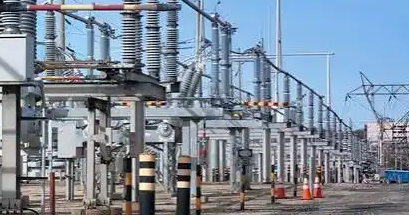
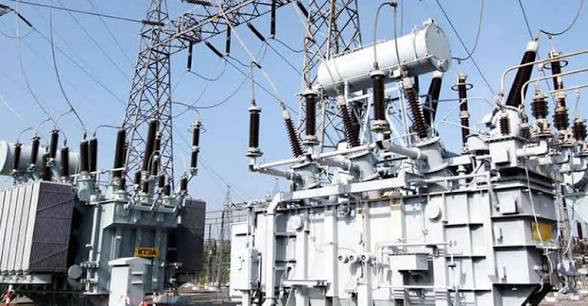
Data from the national grid indicated a sharp decline in output, intensifying concerns over the fragility of the country’s power infrastructure and its ability to meet even the most basic demand in Africa’s largest economy. The situation has triggered widespread disruptions, with small businesses, hospitals, and manufacturers increasingly forced to rely on costly alternative energy sources.
Amid the worsening crisis, the Nigeria Labour Congress (NLC) has strongly rejected a proposed ₦6 trillion bailout for power generation companies, describing the move as “misplaced” and incapable of resolving the deep-rooted inefficiencies plaguing the sector.
NLC leaders argued that previous financial interventions had failed to yield meaningful improvements, insisting that additional funds would only perpetuate what they described as a cycle of waste and mismanagement. “You cannot continue to pour public funds into a broken system without addressing the structural defects at its core,” a senior union official said, warning that Nigerians should not be made to bear the burden of systemic failures.
The labour body instead called for sweeping institutional reforms, including the merger of the Ministries of Petroleum and Power, a move it believes would harmonise energy policy and eliminate bureaucratic bottlenecks that have long hindered coordinated planning.
According to the union, “energy is a single ecosystem,” and separating oversight between petroleum and electricity has created policy inconsistencies that undermine efficiency and long-term investment. It maintained that a unified ministry would allow for better integration of gas supply, generation, and distribution strategies.
Industry analysts, however, remain divided over the feasibility of such a merger, noting that while it could streamline decision-making, it would require significant political will and careful execution to avoid creating an even more complex administrative structure.
Meanwhile, consumers continue to bear the brunt of the crisis, with erratic supply, rising tariffs, and escalating fuel costs for generators compounding economic hardship. Many residents expressed frustration over what they see as a recurring cycle of promises and failures in the power sector.
As the grid struggles to stabilise and policy debates intensify, the unfolding situation underscores the urgent need for comprehensive reforms in a sector widely regarded as critical to Nigeria’s economic recovery and growth.