





Manny Ita –
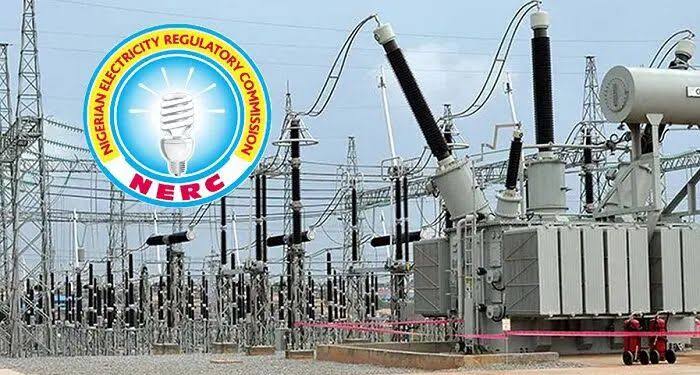
The Nigerian Electricity Regulatory Commission has begun enforcing a new regulatory mandate requiring all privately owned transmission substations connected to the national grid to register and obtain operational permits, a move aimed at improving oversight, safety compliance and stability across Nigeria’s electricity network.
The directive, according to the commission, is part of broader efforts to strengthen regulation within the power sector as private investments continue to expand across generation, transmission and distribution infrastructure. Officials said the measure will ensure that privately developed facilities connected to the national grid operate within established technical and safety standards.
Under the new requirement, companies and organizations that own or operate transmission substations linked to the grid must formally register with the regulator and obtain permits verifying that their installations meet operational guidelines. Authorities explained that the policy is intended to enhance coordination between private infrastructure owners and the national electricity system managed by the Transmission Company of Nigeria.
NERC officials noted that the increasing number of privately financed substations connected to the national grid has created the need for stronger regulatory monitoring to maintain system reliability. According to the commission, the permit framework will allow regulators to maintain a comprehensive database of grid-connected assets while ensuring compliance with technical and operational requirements.
A regulatory official familiar with the directive said the policy is designed to address gaps in oversight within the expanding electricity market. “As private sector participation grows, it is important that every substation connected to the grid operates under a clear regulatory framework,” the official said. “This requirement ensures better coordination, safety assurance and improved grid stability.”
The commission explained that the initiative will also enable regulators to conduct periodic inspections and performance assessments of privately owned facilities to verify adherence to national electricity standards. Authorities said such monitoring is necessary to prevent technical disruptions that could affect power transmission and supply across multiple regions.
Industry stakeholders acknowledged that the regulation could help strengthen transparency and accountability within the electricity sector, particularly as Nigeria continues to pursue reforms aimed at expanding generation capacity and improving distribution networks. One power sector analyst noted that improved oversight of privately built substations could help reduce operational risks and enhance system resilience.
Officials added that the policy aligns with ongoing reforms in Nigeria’s electricity industry, which have encouraged greater private investment while maintaining regulatory safeguards to protect the integrity of the national grid. By ensuring that all grid-connected substations are properly licensed and monitored, regulators say the measure will contribute to a more stable and efficient electricity system.
The commission urged operators of privately owned substations across the country to comply with the directive and complete the registration process promptly, emphasizing that the permit requirement is a key step toward strengthening governance and reliability within Nigeria’s evolving power sector.


