

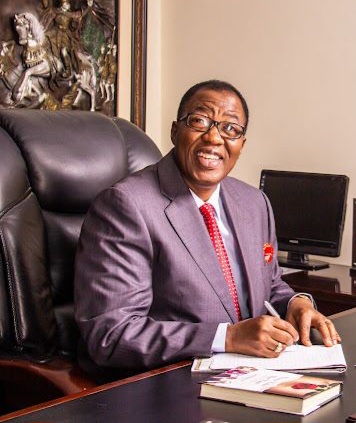
As Otunba Gbenga Daniel approaches his 70th birthday on April 6, 2026, his public life offers a rare window into the anatomy of enduring influence in Nigerian politics. Manny Ita writes about his career, defined not merely by offices held, but by tangible projects, personal networks, institutional footprints and a remarkable capacity to survive turbulence.
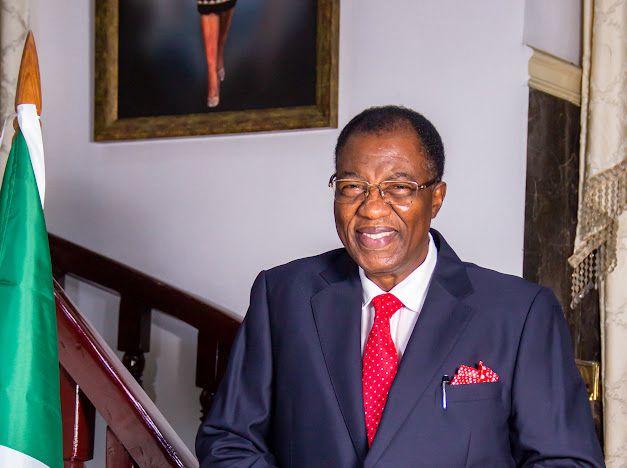
Legacy
The Impact of Gbenga Daniel’s years as Governor of Ogun State from 2003 to 2011 remains the central pillar of his public legacy. His administration pursued an ambitious development blueprint that sought to reposition the state as an industrial gateway between Lagos and the rest of Nigeria.
Infrastructure expansion became the most visible symbol of that vision. Major road networks linking previously isolated communities were rehabilitated or constructed, reshaping mobility, commerce and land values across the state. Industrial corridors opened up, attracting manufacturing investments and strengthening Ogun’s status as a preferred destination for businesses seeking proximity to Lagos without its congestion. Education reforms also formed a significant component of his governance agenda. New institutions were established, including specialised polytechnics aimed at building technical capacity for a modern economy. Sports infrastructure development likewise gained prominence, with stadium projects designed not only for athletics but as multi-purpose economic assets capable of hosting large-scale events.
Critically, Daniel’s administration emphasized public-private partnerships long before the model became a dominant development strategy among subnational governments. Several industrial estates and commercial ventures initiated during his tenure continue to contribute to the state’s internally generated revenue.
Yet, like most ambitious governance projects in Nigeria, the durability of some initiatives has depended heavily on subsequent administrations. While certain projects evolved into long-term assets, others experienced neglect or redesign, underscoring the structural challenge of policy continuity in Nigerian federalism. Even so, the physical transformation of Ogun State during that period remains widely acknowledged as one of the most expansive in its history.
Reputation
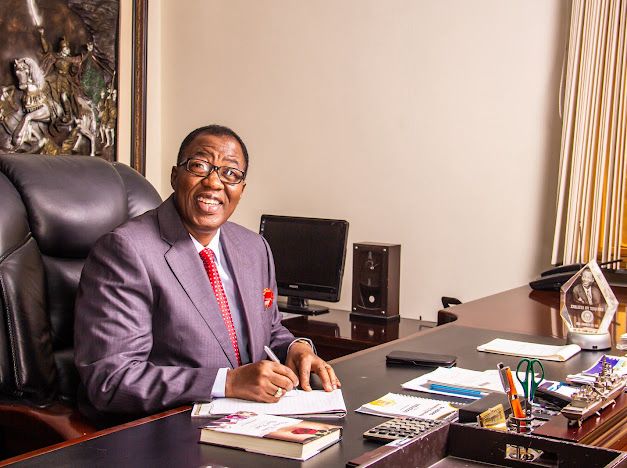
Unlike flamboyant political figures who dominate headlines through rhetoric, Daniel cultivated a reputation for understated influence. Associates often describe him as methodical, strategic and deeply deliberate — a leader more inclined toward negotiation rooms than public grandstanding.
His background as an engineer and corporate executive shaped a governance style rooted in planning, systems thinking and managerial discipline. Decisions were frequently filtered through feasibility considerations, long-term projections and institutional frameworks rather than populist impulses.
Personally, he projects a calm demeanor that masks a formidable political instinct. Observers note his ability to maintain relationships across party lines and ideological divides, enabling him to remain relevant even when political tides shift. This network-centric approach has allowed him to operate simultaneously as insider, mediator and power broker.
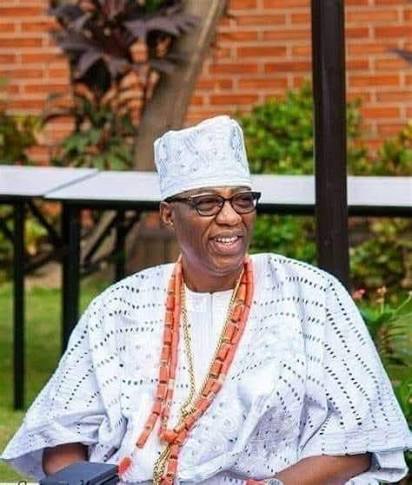
At the community level, his influence extends beyond formal politics. Traditional titles and religious affiliations reinforce a grassroots legitimacy that complements his elite credentials. In Remo land and across Ogun East, he is regarded not only as a political leader but as a benefactor whose interventions in healthcare, education and empowerment programs touch everyday lives.
Yet the same quiet style has also drawn criticism from opponents who argue that his low-profile approach sometimes obscures accountability or limits public engagement. To supporters, however, discretion is precisely what distinguishes him from more theatrical politicians.
Battle-hardened Survival
No long political career in Nigeria unfolds without turbulence, and Daniel’s trajectory has included its share of legal battles, political confrontations and shifting alliances.
After leaving office as governor, he faced investigations and prosecutions related to his tenure — challenges that could have ended the career of a less resilient figure. Instead, he engaged the legal process while maintaining a carefully calibrated public posture, neither retreating completely from politics nor confronting the system recklessly.
Over time, many of these cases were resolved, withdrawn or collapsed, enabling him to stage a gradual political comeback. His eventual election as Senator representing Ogun East symbolized not just a return to public office but a reaffirmation of grassroots support.
Equally significant has been his ability to navigate Nigeria’s fluid party landscape. Alignments and realignments — often decisive in determining political survival — were handled with pragmatism rather than ideological rigidity. This adaptability allowed him to remain a consequential actor within the South-West political ecosystem.
<The durability of his career suggests a deeper strength: a loyal support base cultivated over decades through patronage networks, development projects and personal relationships. In Nigerian politics, where relevance is often short-lived, such enduring structures are rare.
Endurance as Strategy
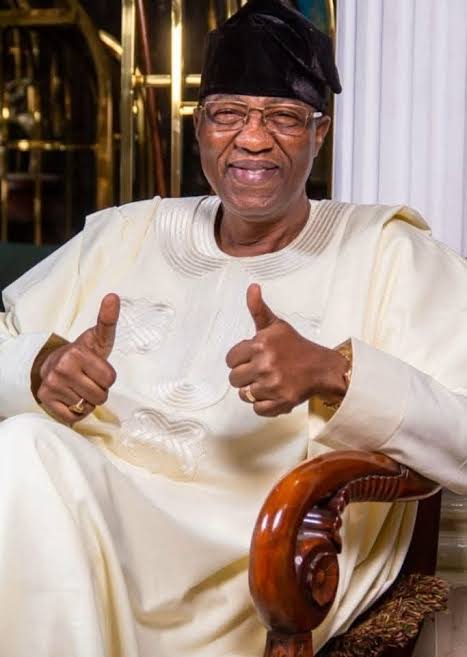
At 70, Gbenga Daniel’s story is less about a single office or achievement than about sustained relevance across changing eras. From corporate boardrooms to Government House and now the Senate chamber, he has demonstrated an ability to recalibrate without losing influence.
His journey reflects a broader truth about power in Nigeria: it is not only won at the ballot box but maintained through networks, negotiation, reputation and resilience.
As celebrations mark his seventh decade, Daniel stands as both product and practitioner of that reality — a political figure whose legacy is written not just in projects completed, but in the endurance of his presence on the national stage.
