







Manny Ita –
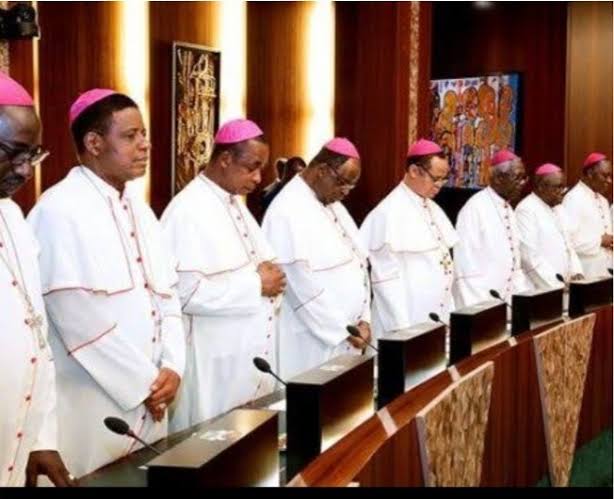
The Catholic Bishops’ Conference of Nigeria (CBCN) and opposition figures, including former Vice President Atiku Abubakar, have criticized the National Assembly for what they describe as a watering down of the proposed electoral reform bill. The lawmakers, critics say, failed to make real-time electronic transmission of election results fully mandatory, a provision widely viewed as essential for transparency and credibility in the electoral process.
CBCN officials stated that the partial adoption of electronic transmission undermines public trust and leaves room for manipulation. “Elections must be conducted in a manner that citizens can see and verify results in real time. Anything less weakens confidence and fuels suspicion,” the conference said in a statement.
Atiku Abubakar also weighed in, warning that the National Assembly’s decision “falls short of the standard Nigerians expect for free, fair, and credible elections. By not making real-time transmission compulsory, the system remains vulnerable to interference and delays.”
Observers noted that while the bill introduces some measures to improve election monitoring, critics argue that the absence of strict electronic reporting requirements could allow irregularities to persist. Legal analysts emphasized that the effectiveness of any reform depends on both the robustness of its provisions and the commitment of relevant agencies to enforce them.
The controversy has reignited debates over the pace of electoral reforms in Nigeria, with civil society groups calling for swift action to ensure that future elections are more transparent, accountable, and resistant to manipulation.


