







Manny Ita –
Energy sector stakeholders and researchers have called on President Bola Ahmed Tinubu to implement a more rigorous monitoring framework for oil contractors and producers to ensure the realization of Nigeria’s ambitious production goal of 3 million barrels per day (bpd) by 2030. During a plenary session at the recently concluded 2026 Nigeria International Energy Summit (NIES) in Abuja, experts emphasized that the current production levels—hovering around 1.6 million bpd—require a strategic and transparent “phase-by-phase” reporting mechanism to bridge the gap between policy intent and field execution.
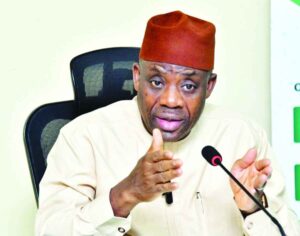
Dr. Adeola Yusuf, a prominent energy communication researcher and team lead of Platforms Africa, argued that without a deliberate communication strategy both internally and externally, the country risks missing its long-term targets. He specifically urged President Tinubu and the Minister of State for Petroleum Resources (Oil), Heineken Lokpobiri, to demand periodic updates that detail specific project milestones. “Our president and all of us cannot, as a country, fail to meet up with the oil output target set for 2030,” Yusuf stated, noting that even if the 3 million bpd target is met, Nigeria’s per capita oil production would still likely be lower in 2030 than it is today due to rapid population growth.
The push for stricter accountability comes as the Tinubu administration intensifies efforts under the Petroleum Industry Act (PIA) and the “Project 1 Million Barrels Per Day” initiative, which aims to reach 2.5 million bpd by 2027. While the President has reaffirmed that “energy is the foundation of our nation’s peace and prosperity,” industry leaders at the summit, including representatives from the Petroleum Technology Association of Nigeria (PETAN), warned that bureaucratic delays in contract approvals remain a significant hurdle. They noted that despite a presidential directive to conclude contract awards within six months, many projects essential for hitting the 2030 target are still mired in administrative bottlenecks.
Experts maintain that for the federal government’s reforms to be described as truly “transformational,” they must move beyond high-level policy and into a regime of strict, measurable accountability under President Tinubu’s leadership. “There should be a deliberate communication—both internally and externally—by those saddled with the responsibility about progress on the target,” Yusuf concluded, stressing that periodic, public-facing updates from oil producers would foster the necessary investor confidence to unlock the billions of dollars in capital required for the sector’s expansion.


