




Manny Ita
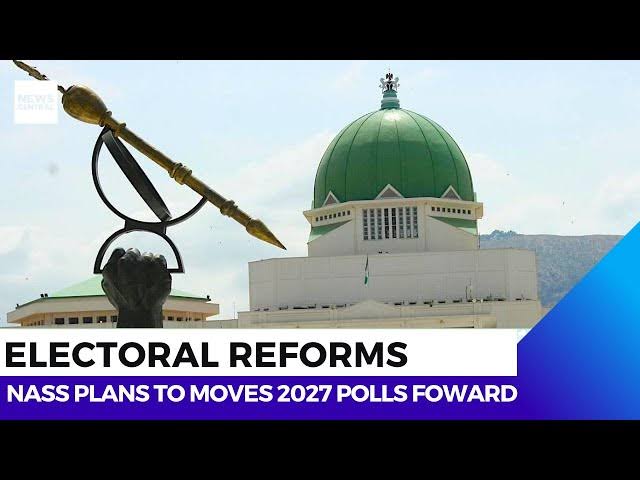
The Nigerian National Assembly has entered a critical phase in the passage of the Electoral Bill 2025, a legislative overhaul aimed at addressing systemic flaws ahead of the 2027 general elections. On Tuesday, January 27, 2026, lawmakers in both chambers reaffirmed their commitment to finalizing the bill, which introduces significantly harsher penalties for electoral malpractice. Under the proposed Section 62(9), individuals found guilty of vote-buying or selling will face a fine of ₦5 million—a massive increase from the previous ₦500,000—alongside a mandatory two-year prison sentence and a 10-year ban from contesting any political office. Senate Leader Opeyemi Bamidele emphasized that these “stiff sanctions” are intended to restore the sanctity of the ballot and deter political actors from compromising the will of the people.
A central pillar of the new bill is the mandatory integration of advanced technology to enhance voter identification and result transparency. The legislation introduces a digital voter identification system, enabling registered citizens to download and print their voter cards featuring a unique QR code. Lawmakers noted that this move addresses the recurring logistical challenges associated with the distribution of physical Permanent Voter Cards (PVCs). “The BVAS does not recognize the microchip in the PVC; hence, the QR-coded identification will streamline accreditation and eliminate the disenfranchisement of voters due to card collection issues,” a legislative summary of the bill noted. Furthermore, Section 60(5) of the draft makes the electronic transmission of results from polling units compulsory, removing the legal ambiguities that sparked controversy during the 2023 cycle.
In addition to technological upgrades, the Electoral Bill 2025 seeks to expand the democratic space by legally recognizing the voting rights of prison inmates and introducing a framework for “early voting.” This provision allows election officials, security personnel, and journalists on essential duties to cast their ballots up to 14 days before the general election date. Civil society groups, including the Situation Room and YIAGA Africa, have urged the Senate to accelerate its concurrence with the versions already passed by the House of Representatives to ensure the Independent National Electoral Commission (INEC) has sufficient time to implement the changes. “Early passage of electoral reforms is critical to our planning; uncertainty over the legal framework unsettles our work as elections draw nearer,” INEC Chairman Prof. Mahmood Yakubu warned in a recent stakeholder meeting.
The bill also proposes a strategic shift in the election calendar, suggesting that presidential and governorship polls be held as early as November 2026. This adjustment is designed to ensure that all election-related litigations are fully resolved in the courts before the May 29, 2027, handover date, thereby preventing the inauguration of candidates with pending legal challenges. As the National Assembly resumes its 2026 session, the leadership of both houses has placed the bill on the “priority list,” signaling a race against time to transmit the document for presidential assent before the February deadline for the formal notice of elections.