

Manny Ita –
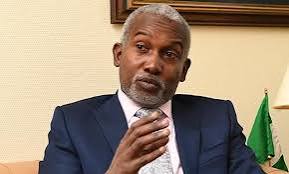
Nigeria’s Minister of Foreign Affairs, Yusuf Tuggar, has formally resigned from the Federal Executive Council, bringing an abrupt end to his tenure in one of the country’s most strategic diplomatic positions. The resignation, confirmed by senior government sources, is understood to be tied to his intention to pursue a governorship bid in Bauchi State ahead of the next electoral cycle.
Presidency officials indicated that the decision was communicated directly to Bola Ahmed Tinubu, who has since acknowledged the minister’s exit. While no official statement has yet outlined immediate replacement plans, insiders suggest that arrangements are underway to ensure continuity in Nigeria’s foreign policy engagements, particularly at a time of heightened regional and global diplomatic activity.
During his tenure, Tuggar played a visible role in advancing Nigeria’s foreign relations across Africa and beyond, representing the country in multilateral forums and engaging in bilateral negotiations on trade, security, and economic cooperation. His departure is expected to create a temporary vacuum in the ministry, with senior diplomats likely to oversee ongoing engagements pending a substantive appointment.
Political observers note that Tuggar’s resignation aligns with a growing trend of cabinet members repositioning ahead of state-level contests. In Bauchi State, his anticipated entry into the governorship race is likely to reshape the political landscape, potentially intensifying competition within party structures and across opposition lines.
Although Tuggar has yet to make a formal public declaration of his candidacy, close associates have confirmed that consultations with key stakeholders in Bauchi State are already underway. Analysts say his experience at the federal level and international exposure could serve as significant assets in what is expected to be a closely contested race.
The development comes as political activities gradually gather momentum nationwide, with parties and aspirants beginning early alignments ahead of forthcoming elections. Tuggar’s move underscores the interplay between federal appointments and subnational ambitions, a recurring feature in Nigeria’s political cycle.
