

Manny Ita –
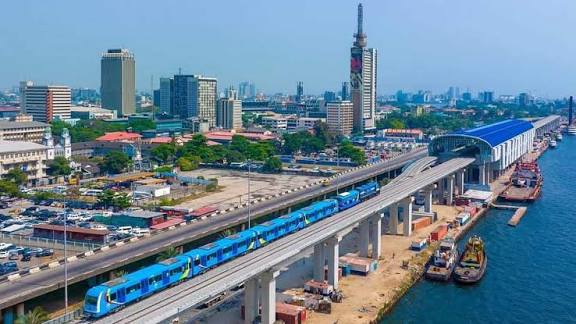
Property demand is rising sharply along the Blue and Red Line rail corridors in Lagos, as improved connectivity reshapes residential and commercial real estate dynamics across Nigeria’s commercial capital. Developers, estate agents, and urban planners report increased land acquisition, faster off-plan sales, and upward price adjustments in neighborhoods situated within walking or short driving distance of the rail stations.
The surge follows the rollout and phased expansion of the Lagos Rail Mass Transit Blue Line and the Lagos Rail Mass Transit Red Line, projects designed to ease traffic congestion and shorten commute times across the metropolis. Real estate analysts say proximity to rail infrastructure is becoming a decisive factor for buyers seeking predictability in daily transportation. “Accessibility now commands a premium,” a Lagos-based property consultant said. “People are willing to pay more to live near a functional rail station because it translates to time saved and lower transport costs.”
Landlords in corridor-adjacent communities have reportedly increased rents in anticipation of sustained demand, while developers are pivoting toward mixed-use projects that combine residential units with retail and office spaces. “Transit-oriented development is no longer theoretical in Lagos,” a real estate developer noted. “We are seeing measurable appreciation in property values along these routes.”
Investors are also targeting short-let and rental apartment models, betting on demand from young professionals who prioritize mobility. Agents say inquiries from diaspora buyers have risen as confidence in infrastructure delivery strengthens. “The rail lines have changed perception,” another broker observed. “Infrastructure reduces uncertainty, and real estate thrives on certainty.”
In Abuja, a different but equally robust trend is unfolding. The Jabi and Gwarinpa axes have emerged as the most sought-after districts for mid-to-upper income family homes, driven by a mix of relative security, organized layouts, and access to commercial hubs. Jabi, with its blend of waterfront developments and retail amenities, continues to attract professionals and returning Nigerians seeking structured urban living. Gwarinpa, known for its expansive housing estates and grid-planned streets, remains popular among civil servants, entrepreneurs, and corporate executives.
Property agents in the Federal Capital Territory report that well-finished detached houses and serviced terraces in these districts are selling faster than supply can replenish. “Family buyers want stability, good road networks, and proximity to schools and shopping areas,” an Abuja-based realtor said. “Jabi and Gwarinpa tick most of those boxes.”
Market data indicates that prices for newly built four- and five-bedroom homes in prime parts of these areas have climbed steadily over the past year, with developers citing higher construction costs and sustained demand as key drivers. Analysts say the resilience of Abuja’s mid-to-upper segment reflects continued migration of professionals and political appointees into the capital.
Urban economists argue that infrastructure remains the central determinant of long-term real estate growth in both cities. “Where infrastructure goes, capital follows,” a housing market analyst explained. “In Lagos, rail connectivity is the catalyst. In Abuja, structured urban planning and accessibility are sustaining value.”
While affordability concerns persist for lower-income earners, developers appear confident that demand for strategically located properties will remain strong. “Real estate is following infrastructure,” the Lagos consultant said. “And infrastructure is redefining the map of opportunity.”
