

Manny Ita
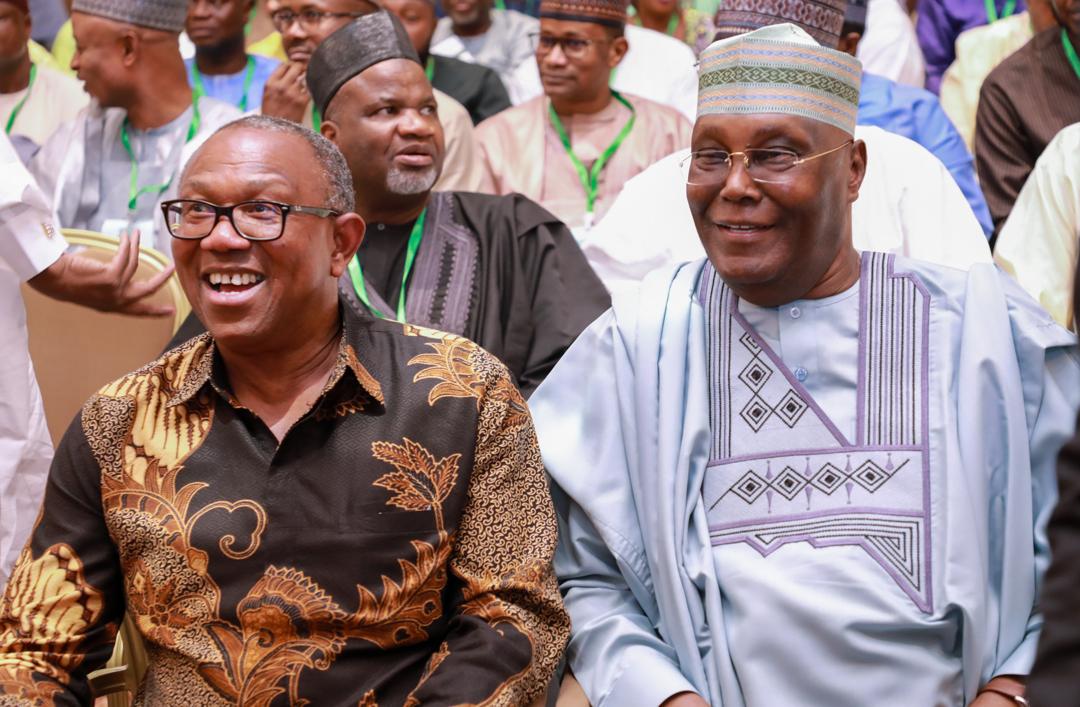
Talks among key opposition figures have intensified following the issuance of what insiders describe as the “Otuocha Communiqué,” a joint statement that, while stopping short of announcing a formal merger, underscored what it called “total alignment on economic and security reforms.” The statement, released after closed-door consultations, has fueled widespread speculation about a coordinated political strategy ahead of the next general elections.
Sources familiar with the discussions said a central focus of the talks was a proposed “Single Term Pact,” an arrangement under which a consensus presidential candidate would commit to serving a single four-year term. According to insiders, the idea is aimed at stabilizing the country through urgent economic restructuring and security sector reforms before a planned handover to another leader within the alliance. Proponents argue that the pact could help assuage concerns over power imbalance and build trust among diverse political blocs, though no official confirmation of such an agreement has been made.
In parallel, attention has turned to the possibility of expanding the alliance beyond its current participants. Political sources say Rabiu Kwankwaso, the presidential candidate of the New Nigeria Peoples Party (NNPP) in the last election, has been approached as part of efforts to broaden the opposition front. If successful, Kwankwaso’s inclusion would effectively form what insiders describe as a “Grand Opposition Coalition,” potentially uniting major opposition forces under a single umbrella.
Neither Kwankwaso nor the NNPP has publicly confirmed involvement in the talks, and party spokespeople contacted declined to comment on the reports. Analysts note that while coalition negotiations are common in the run-up to elections, aligning multiple parties with distinct structures and regional strengths remains complex and uncertain.
Despite the growing speculation, leaders involved in the Otuocha meeting have maintained public silence on the finer details of the discussions. Observers say the coming weeks will be critical in determining whether the stated “total alignment on economic and security reforms” translates into a formal political pact or remains an informal understanding among opposition heavyweights.
