

Manny Ita
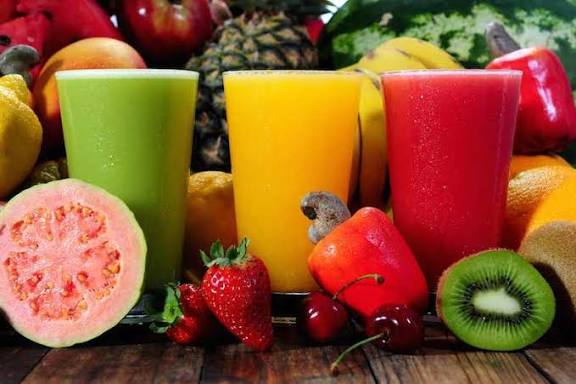
Moderate consumption of 100 percent fruit juice has been identified by nutritionists as a source of essential vitamins, potassium, magnesium, and bioactive polyphenols—natural, antioxidant-rich micronutrients that assist in defending against oxidative stress, inflammation, and chronic diseases. While experts prioritize whole fruit over juice due to the latter’s high sugar content and lack of fiber, a 2023 study suggests that one small glass of approximately 150 ml per day can be integrated into a healthy diet. Medical professionals warn that crushing fruits into juice releases sugars that can cause tooth damage, yet certain varieties offer specific physiological advantages when consumed in controlled portions.
Orange juice remains a primary source of vitamin C for immune support, with recent research indicating it could “help reduce inflammation, calming body-wide irritation, and reducing high blood pressure.” However, these gains diminish at doses exceeding 500 ml due to high natural sugar levels. Similarly, lemon juice has been linked to managing hypertension, with potential digestion benefits noted when consumed before meals. Pomegranate juice is cited as having some of the strongest evidence for health benefits among fruit juices because of its potent antioxidants, though researchers note that exceeding 200 ml daily does not increase efficacy and instead elevates sugar intake.
Alternative options such as beetroot juice offer high inorganic nitrate content, which forms nitric oxide to relax blood vessels, showing the strongest effects in athletes, postmenopausal women, and hypertensive individuals. Because beetroot contains less sugar than traditional fruit juices, intakes of up to 500 ml can remain beneficial. Cranberry juice continues to be recognized for preventing recurring urinary tract infections (UTIs) via proanthocyanidins that prevent bacteria from adhering to bladder walls. Studies indicate that 100 percent unsweetened cranberry products can “cut UTI risk by 30 percent overall,” with even higher efficacy observed in children and women.
For digestive health, prune juice is noted for easing constipation, though its high natural sugar content limits the recommended intake to no more than 150 ml per day. While blueberry juice provides short-term vascular and cognitive benefits, experts maintain that whole berries are preferable due to their density of fiber and manganese. The overarching consensus among health researchers is that no single juice is superior; rather, each provides distinct support for various bodily functions provided they are consumed in moderation to avoid the adverse effects of excessive sugar.
