

Manny Ita –
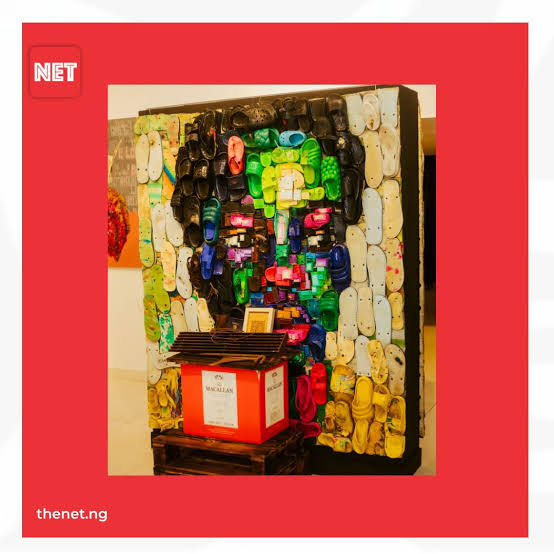
The exhibition “Recycling Matters II” has emerged as a focal point of Lagos’s contemporary art calendar, drawing collectors, critics, and culture enthusiasts to Alexis Galleries, where artists are transforming discarded materials into sophisticated gallery works that challenge perceptions of waste and value.
Featuring a diverse lineup of contemporary practitioners, the exhibition highlights the growing movement toward sustainability in African art, with creators repurposing rubber, scrap metal, fabric, and other industrial remnants into striking sculptures, installations, and mixed-media pieces. Among the prominent contributors is Konboye Ebipade Eugene, whose works explore themes of environmental responsibility, consumer culture, and the lifecycle of materials.
Curators say the exhibition aims to spark dialogue about environmental degradation and the creative potential of reuse. One organizer described the show as “a statement that beauty and meaning can emerge from what society discards,” noting that the participating artists deliberately blur the boundary between refuse and refinement.
Visitors have responded enthusiastically, with many expressing surprise at the transformation of everyday debris into high-end art objects. “You look at these pieces and forget they were once waste,” one attendee said, adding that the exhibition “changes how you think about consumption and sustainability.”
Gallery representatives reported strong interest from collectors, suggesting that recycled-material art is gaining commercial as well as critical traction. They argue that the movement reflects broader global concerns about climate change and resource depletion while maintaining a distinctly local aesthetic rooted in Nigerian urban experience.
Artists involved in the show emphasized that their work goes beyond environmental messaging to address social narratives embedded in discarded objects. “Materials carry memory,” one participant said, explaining that items such as worn tires, rusted metal, and abandoned textiles can tell stories about industry, migration, and everyday life.
Cultural observers note that the prominence of “Recycling Matters II” signals a shift in Lagos’s art scene toward concept-driven exhibitions that engage pressing global issues while showcasing technical ingenuity. As attendance continues to grow, the exhibition is widely seen as reinforcing Lagos’s status as a leading hub for contemporary African art and innovation.
