

Manny Ita –
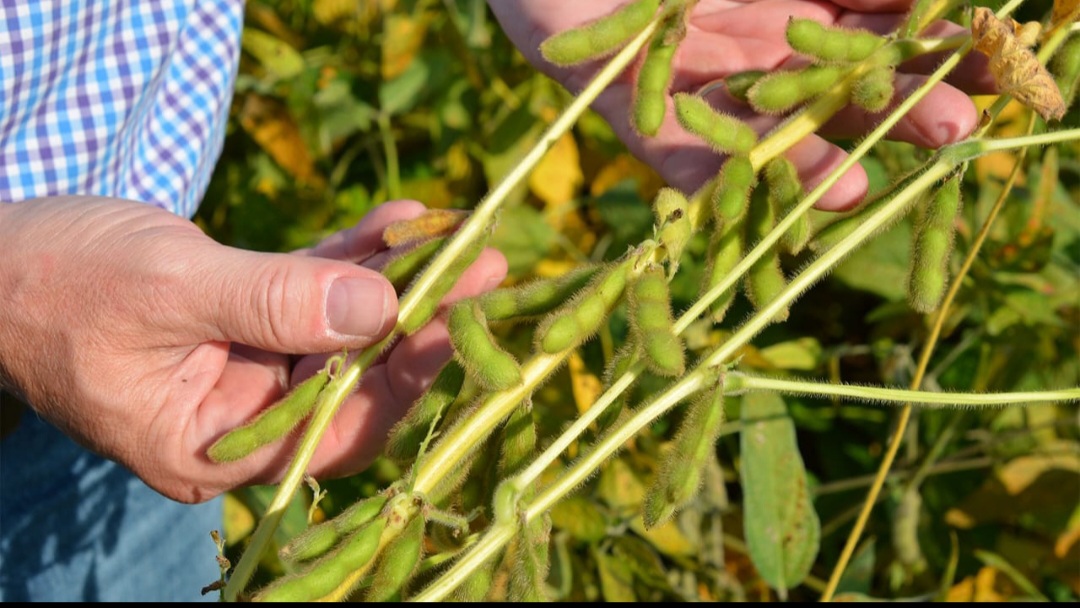
The Federal Government has intensified its nationwide Soybean Production Initiative, positioning the crop—dubbed the “Golden Bean”—as a cornerstone of Nigeria’s 2026 food security strategy aimed at reducing the country’s estimated $10 billion annual expenditure on imported protein sources for both animal feed and human nutrition.
Officials say the renewed push reflects growing concern over the vulnerability of Nigeria’s food system to global supply shocks, foreign exchange pressures, and rising demand for affordable protein. The initiative focuses on expanding cultivation, improving seed quality, strengthening processing capacity, and building value chains that can support domestic consumption and export potential.
A senior agriculture official said the government views soybeans as a strategic crop capable of transforming multiple sectors simultaneously. “Soybeans provide high-quality protein for humans, poultry, and livestock. By scaling up production, we can reduce imports, stabilize feed prices, and improve national nutrition,” the official stated.
Nigeria’s poultry and aquaculture industries, which depend heavily on soybean meal as a primary protein input, have struggled with high feed costs driven by limited local supply and expensive imports. Industry stakeholders say boosting domestic production could significantly lower production expenses and, in turn, reduce food prices.
Farmers in key producing states have reportedly begun receiving improved seed varieties, extension services, and mechanization support under the program. An agricultural cooperative leader noted, “With better seeds and access to inputs, yields can double or even triple. The demand is already there; what farmers need is support.”
Beyond animal feed, authorities are promoting soybeans as a versatile food ingredient for products such as soy milk, tofu, fortified flour, and cooking oil, which could help address protein deficiencies among vulnerable populations. Nutrition experts say increased soybean consumption could play a role in combating malnutrition, particularly among children.
The initiative also seeks to attract private investment into storage, processing, and export infrastructure. Analysts argue that developing a robust soybean value chain could generate employment across farming, logistics, manufacturing, and retail sectors.
Government representatives emphasized that the program aligns with broader efforts to achieve self-sufficiency in critical food commodities. “We cannot continue to spend billions of dollars importing what we can produce locally. The Golden Bean strategy is about economic resilience as much as food security,” an official said.
Observers note that success will depend on sustained funding, market access, and security conditions in farming regions. However, if implemented effectively, the soybean drive could reduce Nigeria’s import dependence, strengthen rural economies, and reposition agriculture as a major contributor to national growth.
The renewed focus on soybeans underscores a strategic shift toward crops with high nutritional value and industrial demand, as policymakers seek long-term solutions to food inflation and supply instability across the country.
