

Manny Ita –
Several state governors, political organizations and civil society groups across Nigeria have pledged to increase female representation in governance following activities marking International Women’s Day, with some political groups announcing plans to reserve up to 40 per cent of leadership positions for women.
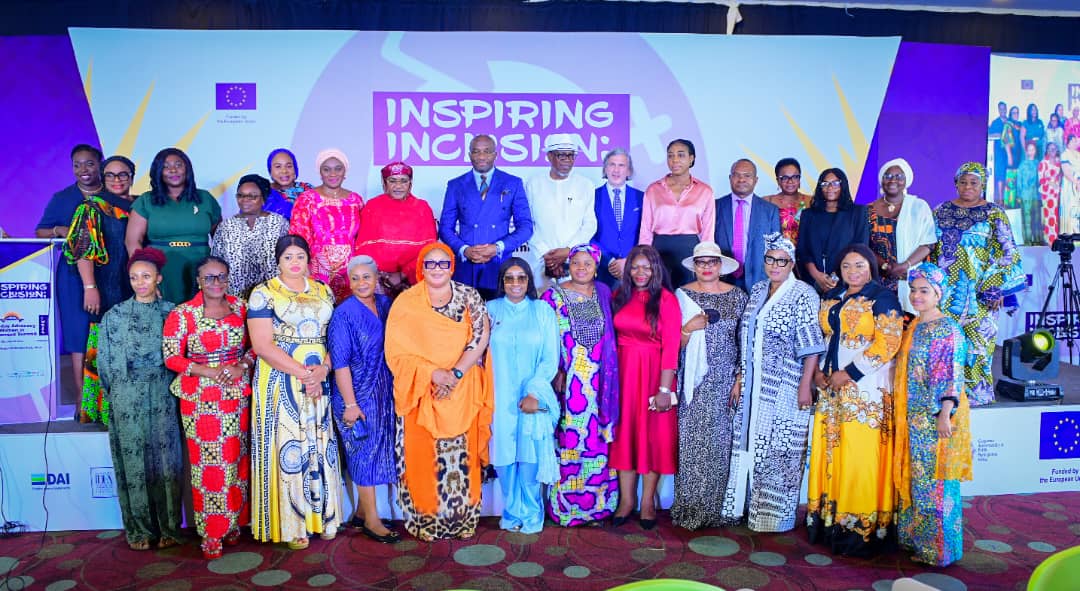
The commitments came in the aftermath of nationwide celebrations and advocacy events held on March 8, where leaders and stakeholders renewed calls for greater gender inclusion in political leadership, public administration and decision-making processes.
Officials from several political parties said the new commitments are part of broader efforts to close Nigeria’s gender representation gap, particularly in elective offices where women remain significantly underrepresented.
Speaking during a post-event briefing, a party official said reserving a fixed percentage of positions for women would create a more inclusive leadership structure and encourage greater female participation in politics.
“Women make up a significant portion of the population and their voices must be reflected in governance,” the official said. “Reserving up to 40 per cent of leadership and appointive positions for women is one of the ways to correct the longstanding imbalance.”
Some state governors also reiterated their commitment to gender-inclusive governance, promising to expand opportunities for women in cabinet appointments, advisory roles and public service leadership.
A governor who addressed participants during one of the commemorative events said empowering women politically and economically remains essential to national development.
“Societies thrive when women are given equal opportunities to contribute to leadership and development,” the governor said. “We are committed to ensuring that women occupy more positions in government and public institutions.”
Civil society organizations and women’s advocacy groups welcomed the pledges but stressed that concrete implementation would be critical to achieving lasting change.
One gender advocacy leader said political commitments must translate into measurable outcomes ahead of future elections and appointments.
“We have heard promises before, but what matters now is action,” the advocate said. “Setting aside a percentage for women is a step forward, but it must be backed by deliberate policies, transparent processes and sustained political will.”
Data from gender-focused organizations show that women currently occupy a relatively small share of elected positions in Nigeria at both the federal and state levels, a trend activists say highlights the need for structural reforms and stronger support systems for female candidates.
Advocates also urged political parties to provide mentorship programmes, financial support and capacity-building initiatives that would help women compete effectively in elections and leadership contests.
As discussions continue after the International Women’s Day celebrations, stakeholders say the renewed commitments could signal a gradual shift toward more inclusive governance if the promises made by political leaders and institutions are fully implemented.
