

Manny Ita –
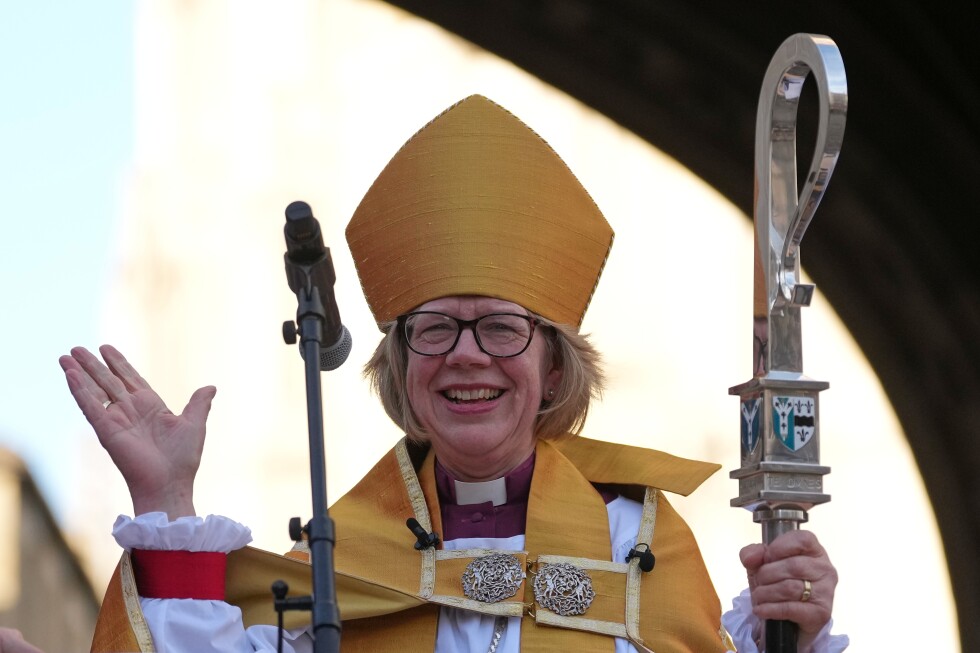
The new Archbishop of Canterbury, Sarah Mullally, the first woman to hold the position and lead the global Anglican Church, is set to meet Pope Leo XIV in Rome this weekend during her first overseas trip since her enthronement last month.
Mullally will meet the leader of the world’s 1.4 billion Catholics during a four-day visit beginning Saturday. The meeting comes 60 years after a landmark 1966 encounter between Archbishop Michael Ramsey and Pope Paul VI, which marked the first high-level engagement between the two churches since the Church of England broke away from Rome in the 16th century.
Relations between the Anglican and Catholic churches have gradually improved over the decades, although differences remain, especially on issues such as the ordination of women. Mullally’s visit is therefore seen as symbolically significant.
The 63-year-old former nurse, who is married with two children, is the first female Archbishop of Canterbury in the Church of England’s 85-million-member global Anglican Communion. While women have served as bishops in the Anglican Church in other regions for decades, the issue remains controversial in parts of the Communion, particularly among conservative factions.
The Catholic Church, however, continues to reject the ordination of women as priests, and its clergy are generally expected to remain celibate, except in special cases involving married former Anglican priests who convert.
Supporters of gender equality in the Church have welcomed the upcoming meeting. Sylvaine Landrivon, spokesperson for the Catholic feminist group Magdala, said, “If a female archbishop comes to see him, it might give Pope Leo XIV pause for thought,” adding, “He might realise that women, who represent half of God’s people, have the same abilities as men.”
The visit also reflects broader efforts toward Christian unity. Bishop Anthony Ball, the archbishop’s representative to the Holy See, said the meeting would be “an important opportunity to build and establish a personal relationship” while strengthening institutional ties.
Mullally has previously praised Pope Leo’s “courageous call” for peace following criticism of his remarks on global conflicts.
Both church leaders are expected to discuss shared global concerns, including immigration, poverty, war, climate issues, and declining religious engagement among young people. Ball noted that both churches also face internal struggles, including tensions over doctrine, leadership, and social reforms.
“They’re both careful listeners,” Ball said, adding that Pope Leo is “taking his time to listen to people, to hear, and to try and discern ways of ensuring that people can move forward together. And I think Archbishop Sarah is similar in that regard.”
