

Manny Ita –
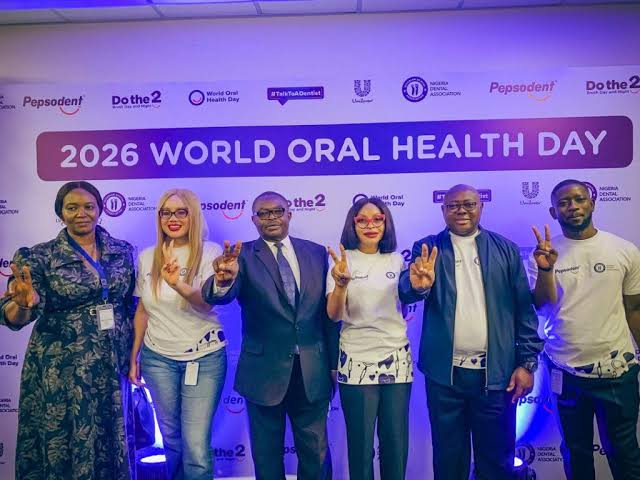
A coalition of dental professionals under the umbrella of the Nigerian Dental Association has partnered with consumer goods giant Unilever to roll out an ambitious nationwide oral health campaign aimed at reaching 50 million Nigerians, in what stakeholders describe as one of the largest preventative healthcare drives in the country’s recent history.
The initiative, unveiled at a press briefing attended by health experts, policymakers, and industry representatives, is designed to address the growing burden of oral diseases, particularly in underserved and rural communities where access to dental care remains limited. Organisers said the campaign will prioritise early detection, education on proper hygiene practices, and the distribution of essential dental care materials.
Speaking at the launch, a representative of the association noted that “oral health is often neglected in public health conversations, yet it is directly linked to overall wellbeing,” adding that “this campaign is not just about treating dental issues, but preventing them before they escalate into more serious conditions.” The official emphasised that millions of Nigerians suffer from avoidable dental problems due to poor awareness and limited access to basic care.
Officials from Unilever highlighted the company’s commitment to improving health outcomes through public-private partnerships, stating that “we recognise the urgent need to scale up oral hygiene education in Nigeria, especially at the grassroots level,” and that “by working with dental professionals, we can ensure that accurate information and quality products reach those who need them most.”
The programme is expected to deploy mobile dental clinics, community outreach teams, and school-based interventions across multiple states, with a strong focus on children and low-income populations. Health educators will also conduct sensitisation campaigns in local languages to encourage behavioural change and dispel myths surrounding dental care.
Public health analysts have welcomed the initiative, describing it as a timely intervention in a sector that has long suffered from underinvestment and low public awareness. They, however, cautioned that sustained impact will depend on consistency, government support, and integration into broader healthcare policies.
As the campaign begins its phased rollout, stakeholders say its success could redefine how preventive healthcare is delivered in Nigeria, particularly in bridging the gap between urban and rural access to essential health services.
