

Nigerians were urged to obtain their Permanent Voter Cards, ask critical questions of political leaders and resist attempts to use them to promote division.
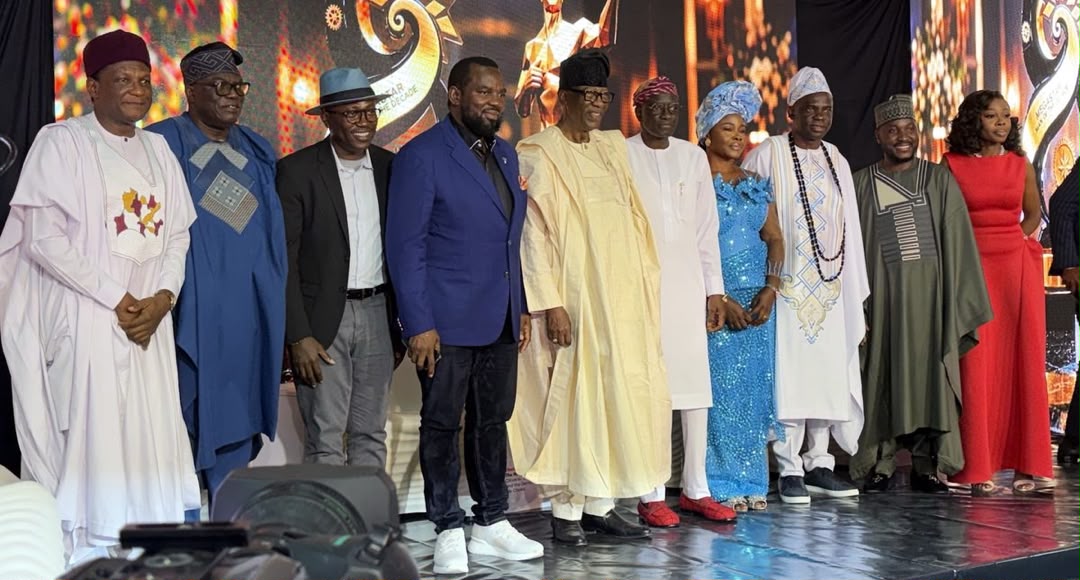
Dr Julius Dediare Rone, OFR, an oil and gas entrepreneur, emerged the highest award recipient at the third edition of the Megastar Man of the Decade Awards, held on Friday at Wells Carlton, Abuja, where prominent Nigerians were recognised for their contributions to national development.
Rone received the prestigious Megastar Man of the Decade Award 2026 in recognition of his contributions to Nigeria’s oil and gas industry, particularly gas development, and his commitment to promoting indigenous participation in the energy sector through UTM Offshore Limited. He had earlier been recognised as Sustainable Energy Development Personality of the Decade for his contributions to the sector.
The 2026 edition, themed “The Road to 2027: Citizens, Stakeholders, and the Democracy We Choose,” recognised individuals and organisations across various sectors, including technology, finance and enterprise; energy, industry and engineering; governance and leadership; humanitarian services; culture, media and sports.
The event featured keynote addresses by Senator Gbenga Daniel, representing Ogun East Senatorial District, and Nasarawa State Governor, Engr. Abdullahi Sule, who was represented by Mohammed Yakubu Lamai, Director-General of Strategic Communication and Events Management to the Nasarawa State Government.
Both speakers stressed the need for Nigerians to look beyond political slogans and partisan interests and demand accountability, credible leadership and measurable results as the country approaches another election cycle.
In his keynote address, Senator Gbenga said the 2027 elections should prompt Nigerians to reflect on the kind of democracy they want and the responsibilities they must assume as citizens.
“As Nigeria approaches 2027, what kind of democracy do we want? What kind of leadership do we deserve, and what responsibilities are we prepared to accept as citizens?” he asked.
He said the questions extended beyond politics to the economy, security, national unity and the future of the country’s younger generation.
According to him, democracy must deliver tangible benefits to citizens and go beyond the right to vote every four years to include accountability, freedom of expression, protection of fundamental rights and assurance that public office holders serve the people.
The lawmaker urged political actors to move away from campaign promises and focus on practical solutions to the rising cost of living, unemployment, insecurity and challenges in education, healthcare, electricity and infrastructure.
“The time has come to move from the politics of promises to the politics of performance, and from the celebration of personalities to the measurement of public value,” he said.
Senator Gbenga also urged citizens to take responsibility for the quality of leadership they elect, warning against the influence of ethnic, religious and partisan sentiments on electoral choices.
“We cannot build a united nation with a divided conscience, and we cannot demand responsible government while rewarding irresponsibility at the ballot box,” he said.
The Senator further called on political leaders to present credible programmes and demonstrate integrity, while urging electoral institutions to operate transparently and impartially, security agencies to protect citizens without political bias, and the judiciary to uphold the rule of law.
He described young Nigerians as stakeholders in the country’s present and future, adding that the 2027 elections should strengthen public confidence in democratic institutions.
In his remarks, Governor Sule, represented by Lamai, said Nigeria’s political experience since the return to civilian rule had raised important questions about leadership, national unity and the quality of democratic governance.
Reflecting on Chinua Achebe’s 1983 book, The Trouble with Nigeria, Sule recalled the author’s argument that the country’s fundamental problem was the failure of its leaders to set the right example.
He questioned the continued use of ethnic, religious and other identity-based sentiments for political mobilisation, asking whether such practices represented the kind of leadership Nigerians wanted to bequeath to future generations.
Sule said citizens could not be expected to demonstrate unquestioning faith in the country when their leaders failed to inspire confidence through their conduct.
He noted that the theme of the awards challenged Nigerians to examine the character and values of those they elect, and to decide whether the country should be led by people who promote division or those committed to unity and progress.
“Nigeria won’t be ruled by aliens or robots or AI. Nigeria will be governed by Nigerians,” he said, stressing that the moral character and quality of leaders chosen by citizens would determine the country’s direction.
He urged Nigerians to take ownership of the democratic process, noting that political power ultimately rested with the people.
Earlier, the Executive Producer of the awards, Dr. Adeniyi Ifetayo, said the platform was established to celebrate Nigerians who had contributed to nation-building through leadership, enterprise, service and sacrifice.
Quoting former United States President John F. Kennedy, Ifetayo said: “Ask not what your country can do for you — ask what you can do for your country.”
He said the theme was intended to encourage citizens and stakeholders to move from complaints to participation, and from apathy to action, as the country prepares for the 2027 elections.
“Democracy is not something that happens to us. It is something we decide every day, and not only on election day, by what we tolerate, what we demand and what we build,” he said.
Ifetayo urged Nigerians to obtain their Permanent Voter Cards, ask critical questions of political leaders and resist attempts to use them to promote division.
He also called on stakeholders in government, business, the media and civil society to lead with integrity, protect democratic processes and contribute to building a better country.
The Olu of Warri, His Majesty Ogiame Atuwatse III, who served as the royal father of the event, commended Ifetayo for his vision and commitment to creating a platform that celebrates the achievements of others.
In a goodwill message delivered at the event, the monarch praised the organiser for using the awards to bring deserving Nigerians into the spotlight.
He noted that while many people sought public attention, Ifetayo had chosen to create a platform through which others could be recognised, describing the initiative as an example of leadership that creates opportunities for others to shine.
His Majesty Olori Atuwatse III served as the royal mother of the event.
Other recipients included the Goodluck Jonathan Foundation; Kola Aina; Mitchell Elegbe; Optiva Capital Partners; Dotun Daniel; Niger Delta Restaurant, popularly known as Mama Banga’s Place; Jubril Adewale “Wale” Tinubu, CON; Reuben Abati; Nwangwa Uzonna and Irvin Global and Investment Group; Emmanuel Idiagbon Paddy Iyamu; Asisat Lamina Oshoala, OON; Leemon Agbonjagwe Ikpea, CON, JP, FNSE; Cynthia Ikponmwosa and LAPO Microfinance Bank; Senator Ahmed Wadada Aliyu; Ibrahim Shehu Shema; Abubakar Bukola Saraki, CON; Olusegun Mimiko; Rabiu Musa Kwankwaso; Efosa Emmanuel Iyamu, popularly known as Sir EFEX; Eferebo I. Sylvanus and Somatrix Marine Ltd; George O.K. Onafowokan and Coleman Wires and Cables; Nuhu Fulani Kwajafa, MFR; Osahon Okunbo and Vetrinox Capital; Mount Zion Faith Ministries International, led by Pastor Mike Bamiloye; Habeeb Olalekan Okunola, MON, OFR; Afolashade Shona-Aluko; and Ayoolanrewaju Kuyebi and GodMade Homes Limited.
The recipients were recognised for their respective contributions to business, public service, governance, entrepreneurship, humanitarian work, entertainment, sports and other fields.
The organisers said the awards were designed not only to celebrate individual achievements but also to encourage greater civic responsibility and constructive engagement on the future of Nigeria’s democracy.
