
Close Menu

    Subscribe to Updates

    Get the latest news as they happen

    What's Hot

    LASG Presents Industrial Policy, Pushes Reforms to Boost MSMEs

    May 1, 2026

    Geregu Power Posts N60.7bn Equity Growth in Q1 2026

    May 1, 2026

    Economic Growth: FEC Approves $2.9b Rail Projects Covering Lagos, Kano, Kaduna

    May 1, 2026
    Facebook X (Twitter) Instagram
    Megastar Magazine
    • Politics

      Only INEC Has Exclusive Right To Declare Poll Results, CSO Deploys Tracker

      May 1, 2026

      Tinubu Approves Obafemi Hamzat As Lagos Governorship Candidate

      April 30, 2026

      Trader Enters 2027 APC Presidential Race with ₦100m Forms, Challenges Tinubu

      April 29, 2026

      Abiodun Unveils Roles on Daniel’s Governorship, Senatorial Achievements

      April 29, 2026

      Court Stops INEC from Recognising ADC Congresses Linked to David Mark Camp

      April 29, 2026
    • Entertainment
      1. People
      2. Events
      3. Fashion
      Featured
      Entertainment April 30, 2026

      King Sunny Adé, Mavo Collaboration Sparks Cross-Generational Buzz in Nigerian Music Scene

      Recent

      King Sunny Adé, Mavo Collaboration Sparks Cross-Generational Buzz in Nigerian Music Scene

      April 30, 2026

      Wizkid Announces 20-City “Morayo” World Tour Following Record-Breaking Album Debut

      April 28, 2026

      2026 Liberian Entertainment Awards: Davido Named Best International Act 

      April 28, 2026
    • Business

      GTCO Plc Reports Profit Before Tax Of ₦302.9Billion, As It Releases 2026 Q1 Unaudited Results

      April 30, 2026

      Uber has introduced a new hotel booking feature within its app as part of its strategy to evolve into a comprehensive “everything app.” The service, developed in partnership with Expedia, allows users to search and reserve hotel rooms from a selection of more than 700,000 properties. The feature integrates travel tools such as maps, filters, and pricing options, while enabling payments through saved card details already stored in the Uber platform. According to Uber CEO Dara Khosrowshahi, the company is expanding beyond ride-hailing and food delivery to become a unified platform for a wide range of everyday services. Expedia CEO Ariane Gorin said the collaboration is aimed at simplifying travel planning and reducing the steps required to complete bookings. Uber also plans to extend the partnership to include short-term rental listings through Vrbo in the future. The move reflects a broader global trend toward multifunctional apps that combine services like transport, shopping, and payments in a single ecosystem, similar to platforms such as WeChat and Alipay in China. Other tech companies are also pursuing similar “super app” models, including Airbnb, which has added experiences and personal services, and X, which is exploring financial services integration. Uber further revealed plans to incorporate AI-powered tools, including meal planning, shopping list creation, delivery coordination, and a voice assistant for navigating the app.

      April 29, 2026

      BUA Cement Sustains Revenue Growth by 22.1% to N355bn in Q1 2026

      April 27, 2026

      Southwest Investment Summit and Awards 2026 Set to Drive Regional Growth, Honour Change-Makers

      April 26, 2026

      Transcorp Group reports ₦125.1bn revenue and ₦50.7bn profit before tax in Q1 2026 results

      April 25, 2026
    • Health

      Nigeria’s Malaria Prevalence Falls to 15%, From 20% ~ FG

      April 29, 2026

      Cross River Dismisses Report of New COVID-19 Cases

      April 23, 2026

      Cross River Activates Emergency Response As It Confirms First COVID-19 Case Since 2022

      April 23, 2026

      FG Bans Importation of Paracetamol, Metronidazole to Boost Local Drug Production

      April 19, 2026

      Heatwave Raises Malaria Risk as Health Officials Issue Nationwide Alert

      April 17, 2026
    • Culture

      Olu of Warri, Asantehene Seal Historic Royal Bond, Ogiamẹ Atuwatse III Receives Peace Artifact

      April 27, 2026

      Adron Homes Strengthens Cultural Influence During Ibadan Cultural Festival

      April 20, 2026

      Ogun State to Showcase “The Rock That Remembers” at Milan Design Week

      April 19, 2026

      Tourism: Olumo Rock Revenue Hits N40m Monthly After Refurbishment ~ Ogun Gov

      April 18, 2026

      Adron Homes Champions Cultural Heritage at Ibadan Cultural Festival 2026

      April 17, 2026
    • Lifestyle

      World Bank Highlights Early Childhood Development as Key to Nigeria’s Economic Future

      April 19, 2026

      Hilda Baci Secures Third Guinness World Record, Extends Culinary Milestone

      April 6, 2026

      Lagos Hosts “Homecoming Live Music Show” as Alternative Scene Takes Center Stage

      April 4, 2026

      QR Menus and Aesthetic-Driven Dining Redefine Restaurant Experience for Gen Z

      March 27, 2026

      How My Gold Jewelry Ended In Lagoon ~ Adeboye

      March 19, 2026
    • Sports

      Nigeria Opens Campaign with Gritty Win at ITTF World Team Championships

      April 30, 2026

      FIFA to Reduce Player Bans, Introducing New Yellow Card System

      April 28, 2026

      Ghana Wins Hosting Rights for 2027 U-20 AFCON

      April 28, 2026

      D’Tigress Set for Historic USA Tour Opener Against Los Angeles Sparks

      April 25, 2026

      D’Tigress in group with France, South Korea in FIBA World Cup

      April 22, 2026
    • Contact
    YouTube Facebook Instagram WhatsApp
    Megastar Magazine
    Home » Giant of Africa: Financing Nigeria’s Energy Transition Goals
    Business

    Giant of Africa: Financing Nigeria’s Energy Transition Goals

    Ifetayo AdeniyiBy Ifetayo AdeniyiFebruary 24, 20247 Mins Read
    Facebook Twitter Pinterest LinkedIn WhatsApp Reddit Tumblr Email Telegram
    Share
    Facebook Twitter WhatsApp Telegram Email

    Giant of Africa: Financing Nigeria’s Energy Transition Goals

    At COP-26 in Glasgow, Scotland, President Muhammadu Buhari pledged that Nigeria would achieve carbon neutrality by 2060 – 10 years after the ‘deadline’ of the Paris Agreement and after most developed economies. Nigeria joined several emerging market leaders in taking a firm but controversial position behind the idea of ‘common but differentiated’ paths that take account of varying local contexts.

    At the same conference, Nigeria began to publicly unveil its Energy Transition Plan which detailed an analytical and evidence-based transition pathway.

    The President’s speech included two key points. First, he stressed that productive energy access – the provision of energy to power productive activities across sectors like agriculture, commerce and I.T. – must be a key part of the transition and that natural gas will enable this. Second, he called on developed nations to deliver on their promise of providing $100 billion yearly to support emerging economies, stating that Nigeria will require sustained technical and financial assistance.

    Nigeria set the pace for others to follow by being the first African country to publish a holistic energy transition plan and announce a net zero commitment based on it and hoped that the signal would attract foreign investors.

    The outcome so far has been below expectations

    Nigeria’s Energy Transition Plan (ETP) covered several sectors, including Power, Transport, Oil and gas, Cooking, and Industry, and aimed to achieve universal access to energy by 2030 and carbon neutrality by 2060. It also aimed to create up to 840k jobs and was estimated to cost $1.9 Trillion. This includes $410 billion above projected business-as-usual spending. To kickstart execution, the government sought to raise $10 billion by COP27, predominantly from the private sector and identified a $23 billion investment opportunity that was shopped to international financiers including development banks, governments, and private investors.

    By COP27, only $3 billion had been publicly committed by the World Bank and the US Export-Import Bank.

    Investment risks: real or perceived?

    Emerging markets and developing economies (EMDEs) are often characterized as being high risk due to a variety of issues such as inconsistent political will, corruption and foreign exchange risk. In addition to these, and for Nigeria specifically, two big bones of contention were the presence of the fossil fuel subsidy and the spread between the official and ‘black market’ exchange rates to the USD. The fuel subsidy has since been removed under President Bola Tinubu in 2023, but this has significantly impacted the cost of living and people’s willingness and ability to pay for energy products and services. The central bank has also floated the Naira under the new Administration, which led to a 40% devaluation between the end of 2023 and mid-February 2024. Many argue that both policies will be beneficial in the long run, strengthening the Naira and supporting a diversification of the economy.

    Convertibility and capital controls have long been cited as a big fear for international investors as well, as they relate to foreign exchange risks. In simple terms, investors worry about their ability to take money out of the country following an investment.

    Stabilizing the currency in the medium term

    Beyond policies aimed at accelerating the energy transition, it is important that the government focuses on stabilizing the currency to create the right enabling environment. The certainty of payment timelines and valuations plays a major role in unlocking commercial financing for infrastructure, and a stable currency will contribute to attracting foreign commercial investors. It can also unlock other creative ways of financing like securitization of energy assets through access to international capital markets. Increasing local manufacturing for exports will improve Nigeria’s trade balance and increase dollar supply. Nigeria can position itself as a regional hub for the manufacturing and assembly of various clean energy technologies to support Africa’s energy access and transition objectives, while powering productivity in other sectors like agriculture.

    Reallocating subsidy savings and creatively co-investing with MDBs

    The government can allocate some of its $9.5 billion subsidy savings annually in the short term towards taking first-loss junior equity positions that cover the earliest stages of project development. Multilateral Development Banks (MDBs) may also take on these equity positions as co-investors, in addition to providing guarantees. One possibility could be that the subsidy savings are used as collateral by an MDB to provide the guarantee. Project development equity financing will be key to taking the early-stage risks and turning the energy transition plan into a pipeline of bankable projects that will attract private capital. One challenge will be getting the MDBs to lower their risk thresholds and co-invest alongside the government/provide guarantees. Calls for MDBs to rethink how they can be most catalytic are growing; however, it is not as straightforward as one might imagine. MDBs also face risks of credit rating downgrades with greater risk exposure and reduced liquidity buffers, which will impact their ability to borrow and lend cheaply to developing economies. A multi-stakeholder approach that finely balances multiple objectives must be adopted in reviewing these MDB policies, and the banks like the World Bank and AfDB can leverage their experience navigating project risks in countries like Nigeria to define new and tailored instruments. The Nigerian government should leverage platforms like the upcoming COP29 to continue to advocate for these reforms and build allies with the shareholder governments that can influence policy decisions at the banks.

    Developing a local currency thematic bond market

    In addition to mitigating forex risks to attract foreign investors, the government should also seek to mobilize local capital towards the annual $10 billion target. Thematic bonds offer a proven pathway for mobilizing capital from local sources to finance the transition, and the government can stimulate demand from local investors by enacting ESG mandates. The federal government already has experience issuing green bonds following its first issue in 2017 which served as a pilot to a foreshadowed NGN 150 billion green bond programme. However, the market has yet to truly take off with sustained momentum due to the lack of a clear long-term framework for project scoping, development, and financing. Setting up a green bond taxonomy will have long-term benefits in this regard and will create a framework around which the government can pass other enabling policies such as reduced taxes for green bond investors. MDBs can support by helping with the creation of the taxonomy, while also making local currency guarantees available as previously described. Other EMDEs like India and Mexico have benefited from establishing a green bond taxonomy or framework that allows the private sector to scope potential projects and attract capital to them. The Nigerian government should develop a proper green bond taxonomy and sequentially issue use of proceeds (UoP) bonds to finance projects being developed in line with the energy transition plan. Developing a strong pipeline of bankable projects at scale will also enable the government to issue the bond at a greater benchmark size than previous issues which were relatively small in size. This will feed into the government’s broader blended finance approach as junior first-loss equity and debt raised from bonds is complemented by risk-mitigating tools from MDBs such as guarantees and risk insurance to mobilize both local and foreign capital for Nigeria’s energy transition.

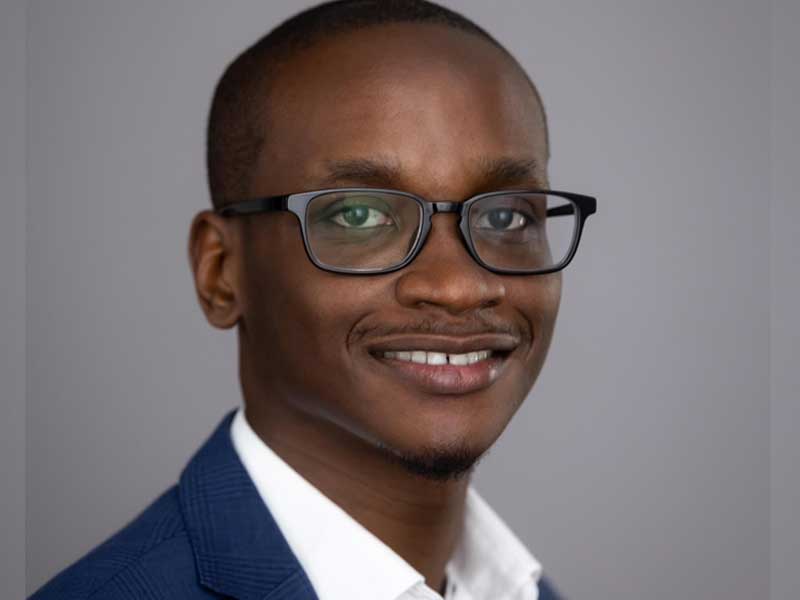
    Nwadiani is a finance, energy and climate expert at Columbia Business School, USA. He is an impact and angel investor through the Microlumbia impact fund.

    Share. Facebook Twitter Pinterest LinkedIn WhatsApp Reddit Tumblr Email
    Previous ArticleAt ARK Legacy project,Otunba Gbenga Daniel inspects, world’s largest Christian worship auditorium
    Next Article Ogoni land: Lessons, 30 years in retrospective
    Ifetayo Adeniyi
    • Website

    Adeniyi Ifetayo Moses is an Entrepreneur, Award winning Celebrity journalist, Luxury and Lifestyle Reporter with Ben tv London and Publisher, Megastar Magazine. He has carved a niche for himself with over 15 years of experience in celebrity Journalism and Media PR.

    Related Posts

    Business April 30, 2026

    GTCO Plc Reports Profit Before Tax Of ₦302.9Billion, As It Releases 2026 Q1 Unaudited Results

    Business April 29, 2026

    Uber has introduced a new hotel booking feature within its app as part of its strategy to evolve into a comprehensive “everything app.” The service, developed in partnership with Expedia, allows users to search and reserve hotel rooms from a selection of more than 700,000 properties. The feature integrates travel tools such as maps, filters, and pricing options, while enabling payments through saved card details already stored in the Uber platform. According to Uber CEO Dara Khosrowshahi, the company is expanding beyond ride-hailing and food delivery to become a unified platform for a wide range of everyday services. Expedia CEO Ariane Gorin said the collaboration is aimed at simplifying travel planning and reducing the steps required to complete bookings. Uber also plans to extend the partnership to include short-term rental listings through Vrbo in the future. The move reflects a broader global trend toward multifunctional apps that combine services like transport, shopping, and payments in a single ecosystem, similar to platforms such as WeChat and Alipay in China. Other tech companies are also pursuing similar “super app” models, including Airbnb, which has added experiences and personal services, and X, which is exploring financial services integration. Uber further revealed plans to incorporate AI-powered tools, including meal planning, shopping list creation, delivery coordination, and a voice assistant for navigating the app.

    Business & Economy (Africa) April 27, 2026

    BUA Cement Sustains Revenue Growth by 22.1% to N355bn in Q1 2026

    Business April 26, 2026

    Southwest Investment Summit and Awards 2026 Set to Drive Regional Growth, Honour Change-Makers

    Business April 25, 2026

    Transcorp Group reports ₦125.1bn revenue and ₦50.7bn profit before tax in Q1 2026 results

    International Business April 24, 2026

    Dangote Refinery Exports 1.1bn Litres Of Aviation Fuel To Europe, Supplies 95% Of Nigeria’s Jet A1 – AON  

    Leave A Reply Cancel Reply

    Don't Miss
    News May 1, 2026

    LASG Presents Industrial Policy, Pushes Reforms to Boost MSMEs

    Elegbede Abiodun … Nigeria’s industrial drive can only be achieved through bold and coordinated actions…

    Geregu Power Posts N60.7bn Equity Growth in Q1 2026

    May 1, 2026

    Economic Growth: FEC Approves $2.9b Rail Projects Covering Lagos, Kano, Kaduna

    May 1, 2026

    FirstBank Confirms Appointment of Olayinka Ijabiyi as Group Head, Marketing And Corporate Communications

    May 1, 2026

    Subscribe to Updates

    Get the latest news as they happen

    Stay In Touch
    • Facebook
    • Twitter
    • Pinterest
    • Instagram
    Our Picks

    Benin Club @90: Leemon Ikpea, Gregory, Others To Be Invested As Patron, Trustees

    November 25, 2021

    [Watch] Thanksgiving Ceremony – 30 years of Lee Engineering Construction & Company Limited

    December 17, 2021

    Tension Before the Ballot: Legal Battles and Power Plays Stoke Nigeria’s Political Heat

    April 25, 2026
    New Comments
    • Anozie okolo on Supreme Court Affirms President Tinubu’s Victory As Atiku, Peter Obi Lose
    • Mc richman on Nigeria and South African Music histories
    • Moses Ibrahim on Olu of Warri: Pictorial @ The Ogiame Atuwatse III Economic Summit.
    • Sen Rich Kay on MALARIA ERADICATION: Prince Ned Nwoko & NMEP Meet for joint action.
    Megastar Magazine
    YouTube Facebook WhatsApp Instagram
    • Privacy Policy
    • Terms of Use
    • Contact Us
    © 2026 Megastar Magazine. Designed by MANNDI

    Type above and press Enter to search. Press Esc to cancel.