

Manny Ita –
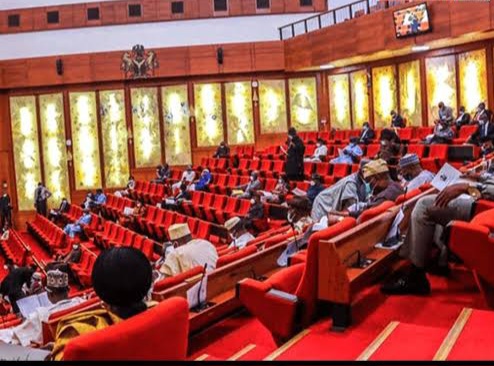
The Senate has fixed March 17 as the target date for the passage of Nigeria’s ₦58.472 trillion 2026 federal budget, setting an accelerated timetable for legislative scrutiny of the spending plan submitted by the executive.
Lawmakers commenced consideration of the proposal following its formal presentation, with the Appropriations Committee and relevant sectoral committees mandated to conduct detailed reviews and interface with ministries, departments and agencies. The leadership of the National Assembly indicated that the timeline is intended to ensure early enactment of the budget to support policy certainty and timely implementation.
The size of the proposed budget underscores the scale of the federal government’s fiscal ambitions, with allocations spanning security, infrastructure, social services and economic reforms. However, the composition of the spending plan has drawn heightened attention, particularly the burden of public debt.
Debt servicing is projected to consume ₦15.91 trillion of the total expenditure, accounting for a substantial share of government revenues. Analysts have expressed caution over the sustainability of the fiscal framework, noting that the growing cost of servicing debt continues to limit fiscal space for development spending.
The proposed budget is expected to be financed through a mix of projected revenues and borrowing, with assumptions tied to oil production levels, global crude prices and non-oil revenue mobilisation. Observers say the credibility of these assumptions will be a key focus of legislative debate as committees assess the feasibility of the targets.
As the review process unfolds, lawmakers are expected to engage economic managers on revenue performance, deficit financing and measures to contain the rising debt profile. The Senate has maintained that adherence to the March 17 target will depend on the timely submission of committee reports and the resolution of outstanding issues during plenary consideration.
