





Manny Ita –
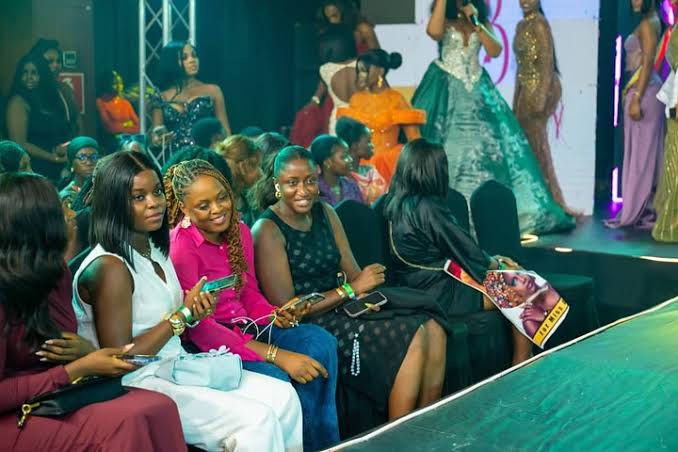
The Eko Hotel Grand Ballroom was a hive of industrial and creative energy today as the Miss Nigeria Beauty and Fashion Fair officially drew to a close. While the event has historically been rooted in pageantry, this year’s edition marked a significant strategic pivot, focusing heavily on the economic structuralization of the Nigerian fashion and beauty sectors.
Fashion as an Economic Driver
A central highlight of the closing ceremony was the address by the Lagos State Commissioner for Tourism, Arts, and Culture, Toke Benson-Awoyinka. She articulated the state government’s commitment to transforming the creative industry from a social interest into a scalable economic force.
”We are no longer just looking at beauty and style as entertainment,” the Commissioner stated. “The Lagos State government is actively working to reposition fashion and beauty as key contributors to our GDP. By providing a platform for enterprise, we are ensuring that these sectors can compete on a global scale and provide sustainable employment for our youth.”
Empowering the Next Generation
The fair served as a launchpad for untapped talent through the highly anticipated “Young Designer of the Year” competition. A new wave of couture talent took to the runway, showcasing avant-garde designs that blended traditional African motifs with modern, sustainable silhouettes. Industry veterans praised the participants for their technical proficiency and business-ready collections, signaling a bright future for “Made in Nigeria” exports.
Trade and Networking
Beyond the runway, the event functioned as a massive enterprise fair, bringing together:
- Natural Skincare Innovators: Local entrepreneurs showcased organic products, highlighting the growing global demand for African botanical ingredients.
- Textile Manufacturers: Discussions centered on localizing the supply chain to reduce reliance on imported fabrics.
- Creative Investors: Venture capitalists and stakeholders engaged in networking sessions aimed at funding the next generation of Nigerian fashion houses.
The successful conclusion of the fair reinforces Lagos’s status as the fashion capital of Africa, moving the needle from mere aesthetics to a robust, investment-heavy creative economy.