

Manny Ita –
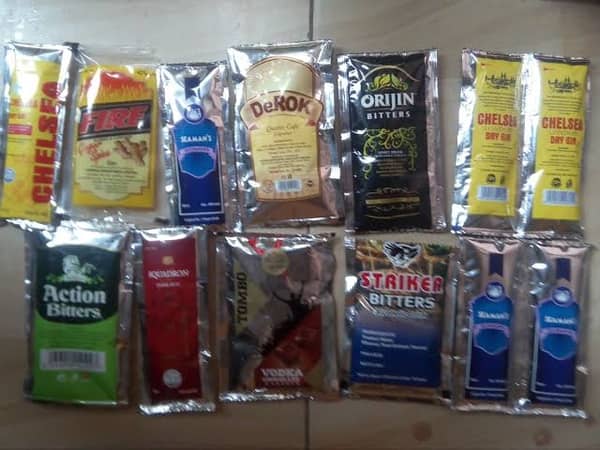
The National Agency for Food and Drug Administration and Control (NAFDAC) has clarified that the ban on the production, importation, and distribution of alcoholic beverages packaged in sachets and small PET bottles remains in effect, dismissing widespread rumors of a government suspension. The agency said the regulatory measure continues to stand, citing ongoing public health concerns and the need to curb harmful consumption patterns.
In a statement issued in Abuja, NAFDAC reaffirmed its commitment to enforcing the restriction, noting that the policy was introduced to address rising cases of alcohol abuse, particularly among young people. “There has been no reversal or suspension of the directive on sachet and small PET bottle alcohol,” the agency stated. “The measure remains a critical component of our broader strategy to safeguard public health and reduce access to high-risk alcoholic products.”
NAFDAC explained that the decision was taken after consultations with stakeholders and in line with existing regulatory frameworks governing the sale and distribution of controlled consumables. According to the agency, smaller, low-cost packaging formats have contributed to the easy accessibility and affordability of alcohol, especially among vulnerable groups. “Public safety and health considerations must take precedence over commercial interests,” the statement added.
The clarification follows speculation in sections of the media suggesting that the Federal Government had halted the enforcement of the ban due to industry pressure. However, NAFDAC maintained that no such directive had been issued and that compliance monitoring would continue nationwide. “Our enforcement teams remain active, and violators will face regulatory sanctions as provided by law,” the agency warned.
Industry stakeholders have expressed mixed reactions, with some manufacturers calling for phased implementation and greater dialogue. A representative of a beverage producers’ association said, “We acknowledge the public health objectives but believe there should be balanced engagement to mitigate economic impacts on small-scale distributors.”
Public health advocates have largely welcomed the reaffirmation, arguing that stricter regulation of alcohol packaging is necessary to discourage excessive consumption. A health policy analyst noted that “reducing the availability of cheap, single-use alcohol sachets can significantly influence consumption behavior, particularly among minors.”
NAFDAC reiterated that it remains open to constructive engagement but emphasized that the ban is firmly in place. “Our mandate is to protect the health of Nigerians,” the agency stated. “We will continue to enforce policies that advance that objective.”
