

Manny Ita –
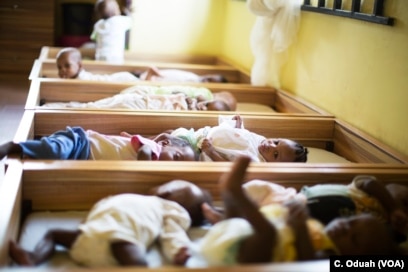
The Vine Heritage Home Foundation, located in Gwagwalada on the outskirts of Abuja, has become a primary refuge for children targeted by persistent infanticide traditions in isolated communities of central Nigeria. Founded in 2004 by Olusola and Chinwe Stevens, the home currently provides round-the-clock care for more than 200 children, many of whom were rescued from being buried alive, poisoned, or abandoned due to ancestral beliefs that certain infants represent “bad omens.” In these specific pockets of the country, children whose mothers die during childbirth, twins, triplets, or those with visible physical disabilities are often marked as “cursed.” Esther Stevens, an 18-year-old resident of the home, narrowly escaped such a fate in 2007 when her mother died during delivery and villagers attempted to bury the newborn with the mother’s body. Recounting her rescue by a missionary, Esther noted, “Finally, the priest agreed and said, let them give her the evil child and see what the child will become. The child, that’s me.”
The cultural belief that certain children bring misfortune persists in rural areas approximately 40 miles from the nation’s capital, where infrastructure is poor and healthcare is severely limited. According to Olusola Stevens, 75% of the children in his care are there because their mothers died during delivery—a reflection of Nigeria’s maternal mortality rates, which UN data from 2023 identifies as among the highest globally. The Stevenses established their mission by visiting these communities to beg families for the lives of these “cursed” children. Their efforts have seen a gradual shift in behavior; Olusola observed that instead of performing lethal rites, some community members now bring newborns to them directly: “On their own, they come asking, ‘Please, where is that house where they keep the children?’ And then they bring them.”
Despite the life-saving work of the foundation, the integration of these children back into their biological communities remains a complex challenge. While the home has returned 36 children to their families in recent years, language barriers and deep-seated rural poverty often hinder the process. Many children, like 21-year-old sociology student Godiya, find the transition difficult due to a lack of basic amenities and the lingering suspicion of villagers. Safety also remains a concern; four years ago, a boy named Monday was returned to his village at his grandfather’s request but had to be brought back to the home two weeks later after resentful elders threatened his life. Olusola recounted the grandfather’s call: “He called me and said, ‘I am returning your child to you.’”
The future of Vine Heritage Home is currently pressured by both economic instability and the declining health of its founders. Nigeria’s soaring inflation has caused a reduction in individual donations, and Chinwe Stevens, who recently suffered a stroke and requires regular dialysis, now depends on charitable support for her own medical expenses. While international partners like ActionAid have helped institutionalize some of the home’s processes and advocacy work, the foundation remains registered as a foster home rather than a formal NGO. Addressing the immense growth of the household and the personal toll it has taken, Olusola remains committed to the original mission he and his wife started three decades ago. Reflecting on the unexpected scale of their work, he stated, “When God asks you to do something you only obey. It never occurred to me that we would ever have more than 20 children.”
