






2027 Elections: Expect Huge Dependence on Fiber and Satellites to Power Transmission
Elegbede Abiodun
This “electoral infrastructure” will serve as the backbone for regional e-commerce, mobile banking, and digital health, driving growth in Nigeria’s non-oil sectors.
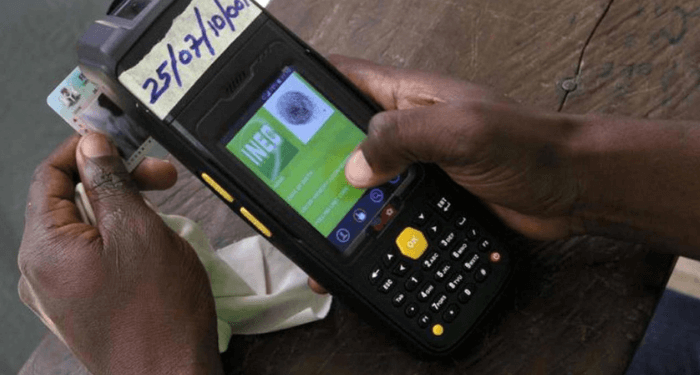
Nigeria’s attempt for electronic election result transmission in the 2027 general elections has shifted from a legislative debate to a massive infrastructure race. Following the Senate’s unanimous amendment of the Electoral Act on February 10, 2026, mandated electronic transmission is now the law. For the Nigerian economy, this digital leap is more than a democratic milestone; it is a catalyst for a $100 billion digital economy, as the infrastructure required to secure the ballot 90,000 kilometres of fiber-optic cables and satellite coverage for all 774 Local Government Areas (LGAs) will simultaneously bridge the nation’s vast digital divide.
The economic consequence of this infrastructure drive is the potential to connect over 23 million currently “unconnected” Nigerians, primarily in rural and underserved communities. With broadband penetration hovering around 52%, the government’s accelerated rollout is a direct investment in the “human capital” of the hinterlands. By extending stable 3G, 4G, and satellite connectivity to every LGA, the administration is lowering the cost of digital access for small businesses and farmers. This “electoral infrastructure” will serve as the backbone for regional e-commerce, mobile banking, and digital health, driving growth in Nigeria’s non-oil sectors.
By analysis, the plan hinges on two massive projects: the 90,000km nationwide fiber-optic rollout and NigComSat’s “Project LG 774.” The latter aims to provide high-speed satellite broadband to every local government secretariat by the end of 2026. From a fiscal perspective, this reduces Nigeria’s dependence on foreign satellite capacity and creates local “connectivity hubs.” Even in areas where terrestrial fiber is geographically impossible, satellite-backed centers will serve as secure “upload hubs” for election results, ensuring that the 2027 polls are not undermined by the “blind spots” that plagued previous elections.
The impact on “Democratic Transparency” is a vital dimension of this technological pivot. The reversal of the Senate’s earlier stance on electronic transmission responds to years of pressure from civil society. By making the IReV portal a mandatory, real-time repository of scanned result sheets, Nigeria is building a “Blockchain of Trust” around its electoral process. For investors, a transparent and predictable transition of power is the ultimate “de-risking” factor. A tech-secured election signals institutional maturity, which is a prerequisite for attracting the long-term Foreign Direct Investment (FDI) needed to hit a trillion-dollar GDP.
The Minister of Communications, Innovation and Digital Economy, Bosun Tijani, has positioned this as Africa’s most ambitious infrastructure expansion. The deployment of 3,700 additional rural towers and the procurement of two new communication satellites are key pillars of this strategy. While the primary goal is a credible 2027 vote, the secondary benefit is the “Digital Inclusion” of the rural poor. By the time the first ballot is cast in 2027, millions of Nigerians who were previously offline will have the digital tools to participate in the formal economy, from online education to global outsourcing.
The long-term economic outlook for Nigeria’s digital sector depends on the timely completion of these projects by the end of 2026. As the “Infrastructure Race” intensifies, the synchronization of fiber rollout with satellite activation will determine the success of the electronic transmission mandate. Nigeria is not just preparing for an election; it is building the “digital railway” of the 21st century. If successful, the 2027 elections will be remembered not just for who won, but as the moment Nigeria successfully unified its physical and digital territories, paving the way for a resilient and inclusive trillion-dollar economy.