






Manny Ita –
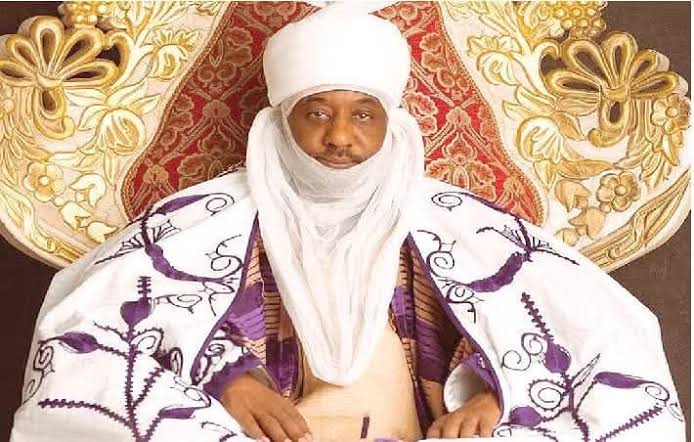
The Emir of Kano, Muhammadu Sanusi II, has declared that traditional rulers do not require constitutional provisions to exercise their roles as advisors to political leaders. Speaking during an interview on Channels Television’s Morning Brief on Wednesday, the monarch argued that traditional institutions are fundamental pillars of good governance and nation-building. Addressing the ongoing debate regarding the formal inclusion of traditional rulers in the Nigerian Constitution, Sanusi asserted that his authority to counsel the President or state governors is derived from his position as a leader of the people rather than a legal document. “Do I need the Constitution to tell me that if I think there is something the country needs, I should go to the President and say, ‘Mr President, I think this is wrong?’ I don’t need the Constitution,” the Emir stated, noting that while he respects the executive authority of governors, his advisory capacity remains inherent to his office.
Beyond the discussion of constitutional roles, the Emir advocated for a more inclusive political landscape, specifically calling for increased representation of women in elective positions and nation-building efforts. He emphasized that inclusive governance is essential for progress and urged for the removal of barriers preventing women from participating in leadership. Furthermore, the traditional ruler issued a strong condemnation of domestic violence, dismissing cultural justifications used by men to abuse women. “Violence happens in all societies. It’s not about African culture. It’s about power relations where men have power and women are not protected,” Sanusi remarked. He observed that men often exploit power imbalances to oppress the vulnerable, including women, children, the poor, and the disabled, and maintained that all human beings are entitled to protection regardless of cultural interpretations.
The Emir concluded by reinforcing that the relevance of traditional institutions rests on their ability to serve as a bridge between the government and the populace. By focusing on social justice and advocacy for the marginalized, he suggested that traditional leaders maintain a moral authority that transcends written laws. He challenged the notion that a lack of constitutional mention renders the institution powerless, reiterating that “traditional institutions are key to good governance” and must remain active participants in the country’s developmental trajectory.


