

Sports Crisis: Tinubu Pledges Full Budget Support from 2026
Elegbede Abiodun
* This news got endorsement from the sports community and stakeholders.
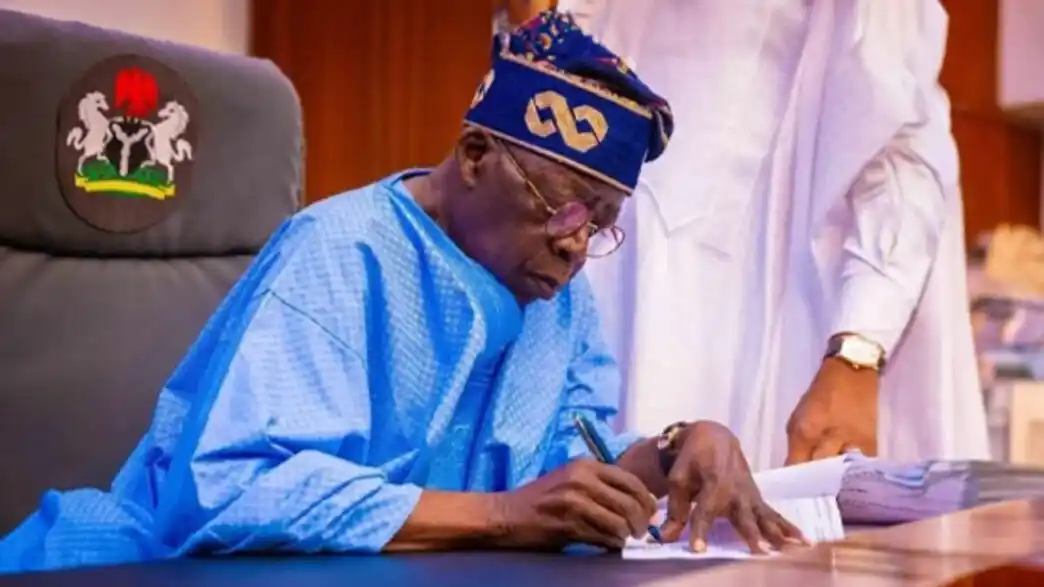
President Bola Ahmed Tinubu has announced a comprehensive restructuring of Nigeria’s sports financing system, instructing federal ministries to guarantee that starting with the 2026 budget cycle, sufficient funding for sporting facilities, development programs, competitions, and international events will be allocated and disbursed without delay.
The President’s declaration came as he celebrated Nigeria’s extraordinary sports performance in 2025, during which Nigerian athletes secured 373 medals across multiple sporting disciplines. The nation’s sporting triumphs ranged from individual track and field champions to the Super Eagles’ bronze-medal finish at AFCON 2025, alongside victorious women’s football and basketball squads that “brought honor to the country,” according to Tinubu.
“Sports represents one of our most powerful national assets. It brings us together, transcends our divisions, generates optimism, and creates shared identity across generations, languages, ethnic groups, faiths, and economic backgrounds,” the President stated.
Tinubu commended the National Sports Commission (NSC) and its chairman, Malam Shehu Dikko, for implementing reforms consistent with the administration’s Renewed Hope Agenda, acknowledging significant progress despite persistent financial and infrastructure constraints.
The President acknowledged that Nigerian sports have historically been hampered by administrative inefficiencies, scattered budget allocations, and insufficient capital investment in facilities, creating obstacles to athlete preparation and global competitiveness. “This pattern has weakened performance and put our sportsmen and women at a disadvantage. We must break this cycle,” Tinubu declared.
To remedy these systemic issues, he has ordered the Ministries of Finance, Budget and Economic Planning, and the Budget Office to restructure sports financing, consolidate allocations currently distributed across various government bodies, and redirect recovered resources into a centralized system managed by the NSC.
These reforms form part of the Renewed Hope Initiative for Nigeria’s Sports Economy (RHINSE), a strategic framework designed to leverage sports for employment generation, tourism development, foreign investment, and enhanced international standing. The program prioritizes high-performance athlete cultivation, community-level sports participation, revitalized sports federation governance, and Nigeria’s capacity to host premier international sporting events.
“Sports is a strategic national resource that requires administration, governance, and financing aligned with its unique character and requirements, free from bureaucratic obstacles,” President Tinubu emphasized. “Nigerian sports will be strategically planned, adequately financed, and internationally competitive. We will invest in our athletes from the beginning, equip them comprehensively, and honor their achievements.”
The policy shift has received enthusiastic endorsement from the sports community, with stakeholders describing it as an overdue pledge to provide Nigerian athletes with the consistency, financial backing, and infrastructure essential for success both domestically and on the world stage.
