

Manny Ita
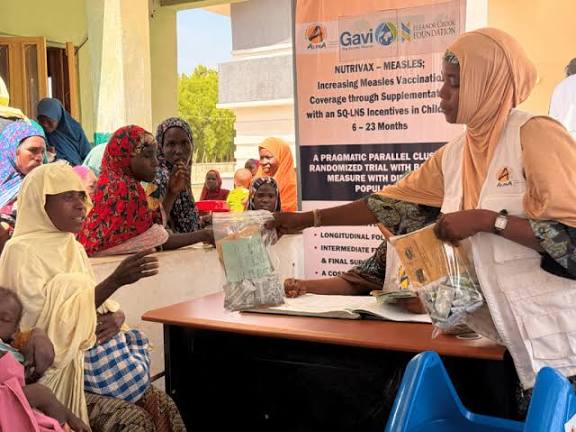
Health workers across Southwest Nigeria have adopted a transformative approach to pediatric care by integrating live culinary demonstrations into routine child immunization schedules. The initiative, designed to address the dual challenges of under-immunization and chronic malnutrition, transforms traditional clinics into interactive classrooms where parents learn to prepare nutrient-dense meals while awaiting their children’s vaccinations. By pairing life-saving serums with practical nutritional skills, the program has seen a significant surge in clinic attendance, with some facilities reporting that turnout has doubled or even tripled since the sessions began.
The demonstrations focus on “palatable” health policy, utilizing low-cost, locally available ingredients to ensure the lessons are accessible to families across all economic brackets. In states like Edo and Oyo, mothers are taught to fortify traditional staples with proteins and vitamins. “Cooking demonstrations during immunization days have been a successful exercise,” said Bimbola Adeniyi, a health worker involved in the scheme. “We teach mothers about exclusive breastfeeding and how to improve maternal and child diet. New recipes using traditionally available ingredients, like yam porridge, rice, bean cakes, and crayfish meal, are shared and cooked right there at the clinic.”
For many parents, the sessions provide a vital lifeline during a period of rising food costs. Abigail Dosa, a mother of two and fashion designer in Benin City, noted that the practical nature of the demonstrations makes them more effective than standard lectures. “Cooking demonstrations are good,” she remarked, highlighting how the lessons empower mothers to practice these recipes at home to ensure an adequate diet for their children. The program also introduces specialized nutritional blends produced by agency departments, further bridging the gap between medical advice and daily household reality.
The community response has been overwhelmingly positive, with traditional leaders and local stakeholders praising the synergy between preventative medicine and food security. High Chief Olusanya Fatoki, the Asuda of Isikan Kingdom, described the experiment at the Iyange Primary Health Care center as commendable. “Children can now have proper food to eat,” the Chief stated, adding that the incentive of the cooking classes has brought in more families who might otherwise have missed their appointments. “Those who have not been immunized will now get immunized.”
