

Manny Ita –
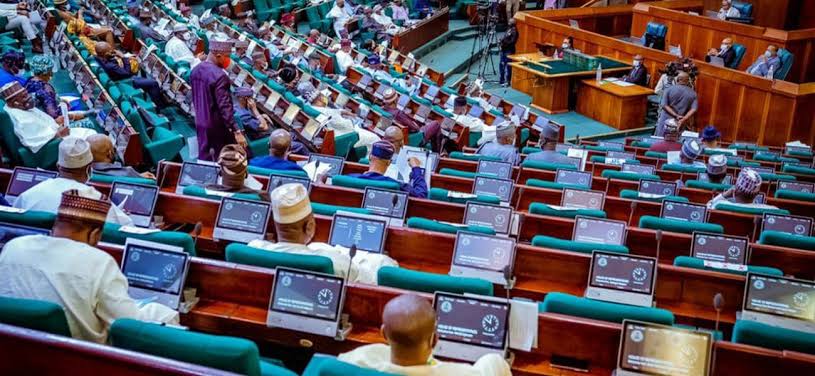
The Leadership of the House of Representatives announced a comprehensive restructuring of its Conference Committee on Friday, February 6, 2026, in a strategic move to resolve a deepening legislative deadlock over the Electoral Act (Amendment) Bill. The “shake-up,” confirmed in a formal correspondence from the Clerk to the House, Dr. Yahaya Danzaria, Esq., is aimed at harmonizing conflicting versions of the bill passed by the House and the Senate, particularly regarding the contentious issue of electronic result management.
The primary point of contention lies in the technical language governing how votes are recorded and moved from polling units to central collation centers. While the House of Representatives has pushed for mandatory “real-time transmission” directly to the INEC Results Viewing Portal (IReV), the Senate recently passed a version that retains a provision allowing for “transfer.” Critics and civil society groups argue that “transfer” implies a discretionary or manual process that remains susceptible to manipulation, whereas “transmission” suggests an automated, instantaneous digital upload. This linguistic distinction has triggered widespread public outrage and accusations of anti-democratic maneuvering within the upper chamber.
The newly formed nine-member committee, chaired by Rep. Adebayo Balogun, has been mandated to meet with Senate counterparts to reach a final consensus on these “differing provisions.” The House leadership emphasized that the overhaul was necessary to “strengthen the committee’s capacity” and ensure that the final legal framework enhances transparency. “This move signals our dedication to electoral reforms that enhance transparency, credibility, and public confidence in the nation’s democratic institutions,” a spokesperson for the House stated during the announcement in Abuja.
The legislative urgency comes as the Independent National Electoral Commission (INEC) prepares to issue the formal Notice of Election for the 2027 cycle. Civil society organizations, including the Nigeria Civil Society Situation Room, have warned that any further delay in harmonizing the bill could undermine the integrity of future polls. “The conference committee stage remains the final democratic lifeline for this bill,” noted one political analyst monitoring the proceedings. “It is the last opportunity for lawmakers to correct the Senate’s omissions and reinsert provisions that give meaning to electoral reform.”
With the 2027 general elections approaching, stakeholders view the swift resolution of this deadlock as a critical test of the National Assembly’s commitment to systemic reform. The Balogun-led committee is expected to begin harmonization talks immediately, as the Bill must be signed into law by the President well ahead of the statutory election timelines to allow for adequate technological preparation and voter sensitization.
