

Manny Ita –
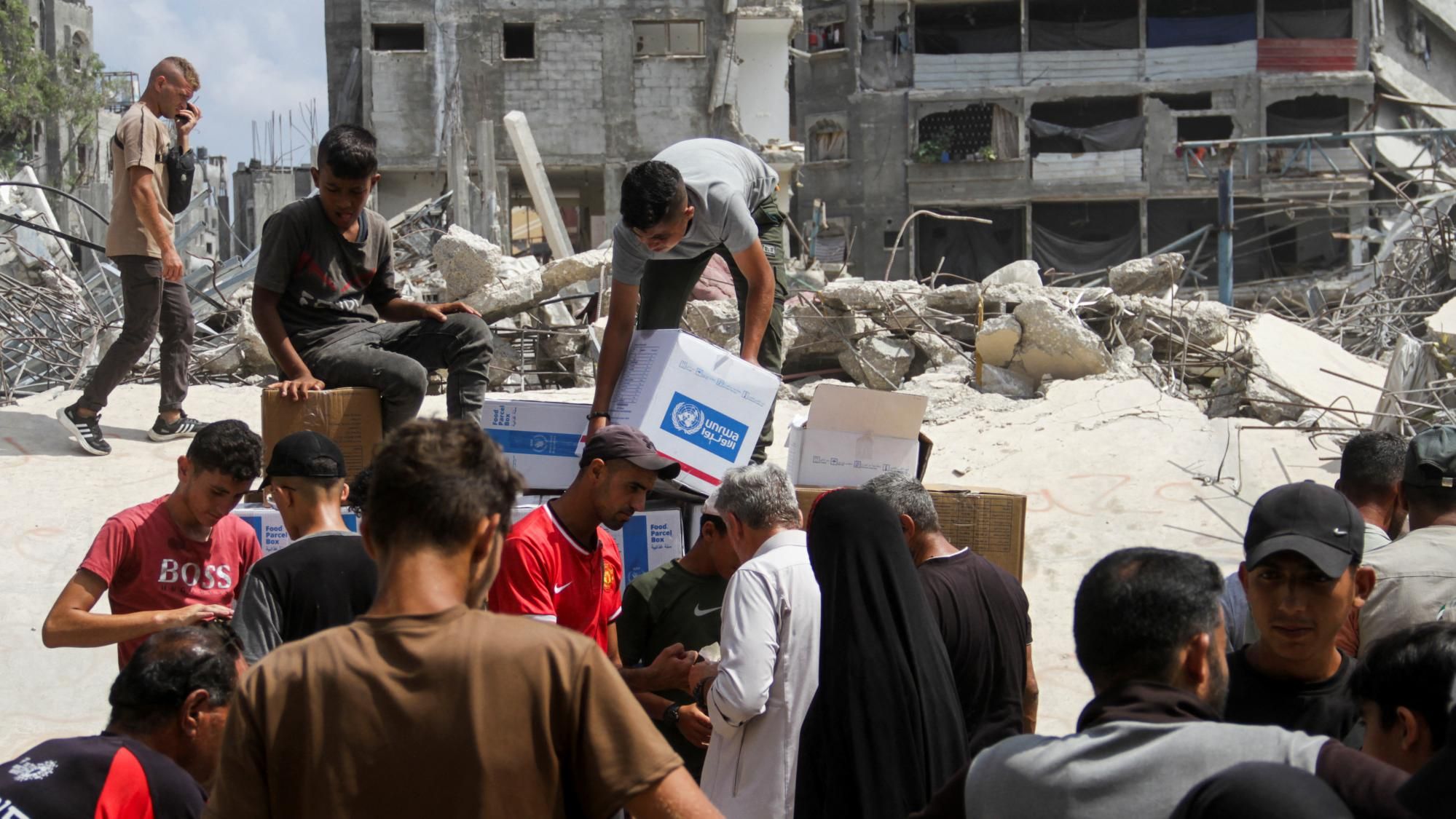
The United Nations’ World Food Programme (WFP) has issued a stark warning that if the ongoing war in the Middle East, particularly the conflict involving the United States and Israel against Iran that began on 28 February 2026, persists through June, an additional 45 million people could be pushed into acute hunger—raising the number of people experiencing severe food insecurity to a record global high.
The WFP’s deputy executive director, Carl Skau, told reporters in Geneva on Tuesday that “If the Middle East conflict continues through June, an additional 45 million people could be pushed into acute hunger by price rises,” underscoring the widening humanitarian impact of the conflict beyond its immediate war zones.
Skau said the total of people facing acute hunger—defined by the United Nations as a severe lack of access to safe and nutritious food—could surpass 319 million, already an unprecedented figure for global food insecurity. He noted that the conflict has disrupted key food and supply chains, causing a significant spike in the cost of essentials.
According to the WFP, a combination of factors linked to the war is driving up hunger risks. The conflict has led to higher food, oil, and transportation costs, complicating humanitarian operations just as funding for aid has tightened because several donor countries are prioritising defence budgets over relief efforts. Increased shipping costs—up by 18 per cent since the war began—and rerouted delivery routes due to conflict-related disruptions have further strained the WFP’s capacity to deliver food to vulnerable populations.
Analysts and food-security experts say that hunger in many regions was already at alarming levels before the current Middle East war erupted. Long-standing conflicts in Africa, the Middle East, and parts of Asia have already left millions in precarious food situations, made worse now by global price shocks and supply chain breakdowns.
The WFP’s warning highlights a broader humanitarian dilemma: as conflicts disrupt agricultural production and global markets, food access deteriorates for people far beyond the immediate theatres of war. Aid agencies have repeatedly stressed that without urgent international action, the combination of conflict‑induced supply problems, rising costs, and funding shortfalls could lead to widespread food crises in the coming months.
International calls for de‑escalation have mounted, with humanitarian organisations urging ceasefires and enhanced support for food‑assistance programmes to avert what they describe as a looming expansion of the global hunger crisis.
