

Manny Ita —
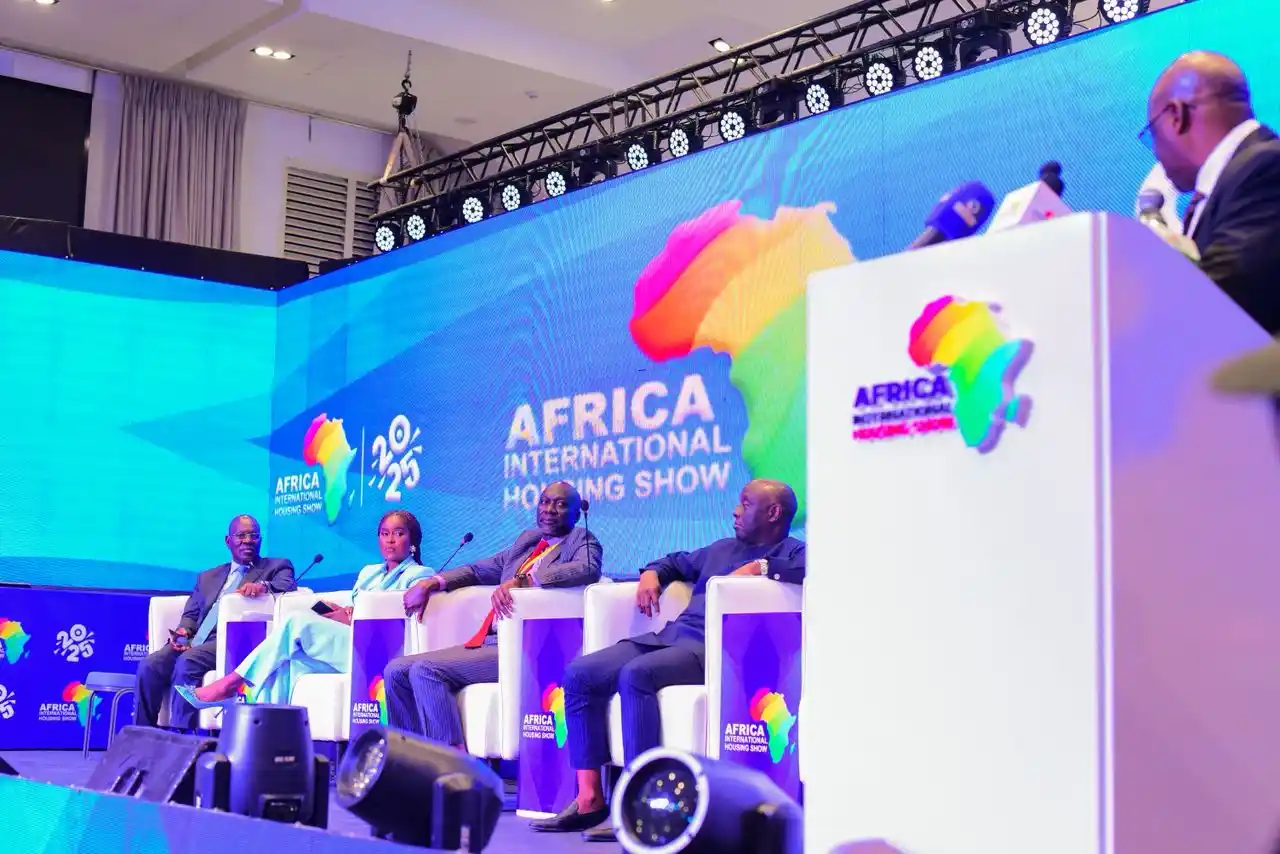
Africa is currently facing a massive housing shortage of over 50 million homes, a figure experts warn could skyrocket to 130 million by 2030 if urgent action isn’t taken. This concern was raised by Festus Adebayo ahead of the Africa International Housing Show.
The crisis is being driven by rapid population growth, increasing urban migration, and long-standing structural issues in housing development. As a result, more than 200 million people across the continent are living in informal or inadequate settlements, affecting not just shelter but also health, jobs, and overall quality of life.
Countries like Nigeria are among the hardest hit, with a housing deficit estimated between 17 and 28 million units. Other affected nations include Democratic Republic of Congo and South Africa.
A major challenge is the lack of affordable housing finance, alongside high construction costs and inefficient land systems. In fact, Africa’s housing finance gap is estimated at over $1.4 trillion, limiting large-scale development.
Efforts are being made to address the issue. In Nigeria, the government has introduced initiatives like the Renewed Hope housing programme, aimed at boosting supply through public-private partnerships. However, progress remains slow, with many projects still incomplete.
Experts say solving the crisis will require strong policy reforms, increased private sector investment, and innovative, cost-effective building methods. While the housing deficit poses a serious challenge, it also presents an opportunity to create jobs, grow economies, and build more inclusive cities across Africa.
