

Manny Ita –
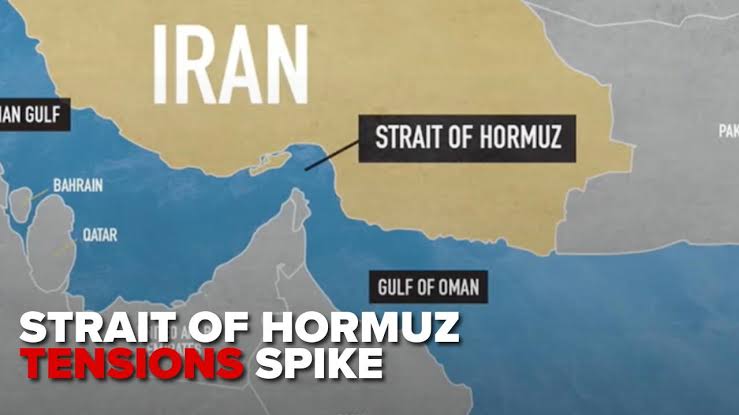
Global markets are facing mounting uncertainty as tensions escalate around the Strait of Hormuz, a critical shipping route that handles roughly one-fifth of the world’s oil supply. Iran’s effective blockade of the waterway has severely disrupted maritime traffic, sending shockwaves through global energy markets and raising fears of a prolonged supply crisis.
The crisis has intensified following a series of ultimatums issued by U.S. President Donald Trump, who has demanded that Iran reopen the strait or face severe military consequences. In his latest warning, Trump set a firm deadline, threatening targeted strikes on key Iranian infrastructure if compliance is not achieved. The rhetoric marks one of the most aggressive escalations in the ongoing standoff, with both sides appearing firmly entrenched.
Iran, however, has maintained its position, with officials warning that any attack on its infrastructure could trigger wider retaliation across the Gulf region. The standoff follows weeks of heightened tensions, including reported attacks on shipping vessels and energy facilities, which have effectively halted tanker movement through the corridor and forced global shipping firms to suspend operations.
The economic fallout has been immediate and severe. Oil prices have surged sharply, with analysts warning that prices could climb even higher if the disruption persists. The blockade has already removed a significant portion of global oil supply from the market, making it one of the most serious energy shocks in recent years.
Despite efforts by major oil-producing alliances to signal increased output, actual supply relief remains limited due to the physical inability to transport crude through the blocked passage and ongoing instability in the region. The situation has fueled volatility across global stock markets and raised concerns about renewed inflationary pressures worldwide, particularly in energy-importing nations.
Diplomatic efforts to de-escalate the crisis have so far yielded little progress. While there have been indications of quiet negotiations behind the scenes, public statements from both Washington and Tehran suggest that a breakthrough remains uncertain. Analysts warn that any miscalculation could trigger a broader regional conflict, drawing in multiple Gulf states and further destabilizing global trade routes.
As the deadline approaches, the world is watching closely, with the future of global energy supply—and wider geopolitical stability—hanging in the balance.
