

Manny Ita –
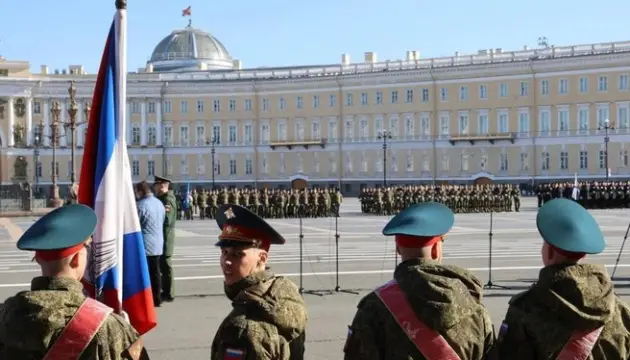
Russian-installed authorities in occupied Crimea have cancelled this year’s Victory Day military parade and related public celebrations over growing security concerns linked to intensified Ukrainian attacks on the peninsula.
Crimea’s Moscow-backed leader, Sergei Aksionov, confirmed that large-scale May 9 commemorations, including the traditional “Immortal Regiment” march, would not hold this year due to what officials described as the current security situation.
Aksionov said alternative activities would still be organised to mark Victory Day, insisting the region would commemorate the occasion “with dignity” despite the restrictions.
The cancellation comes amid a rise in Ukrainian strikes targeting Russian military infrastructure in occupied Crimea. Ukrainian military intelligence reportedly released footage showing attacks on several Russian military assets, including aircraft, naval vessels and storage facilities.
According to Ukrainian officials, the operations were carried out by a special intelligence unit known as “Ghosts,” which they said continues to conduct coordinated missions against Russian military positions across the occupied peninsula.
The renewed attacks have reportedly increased pressure on Russia’s Black Sea operations and forced authorities to tighten security measures throughout Crimea and other occupied territories.
The development also comes as doubts grow over Russia’s proposed temporary ceasefire during the Victory Day celebrations. Ukrainian officials have expressed skepticism about observing any truce, arguing that previous holiday ceasefires announced by Moscow were repeatedly violated.
Ukrainian President Volodymyr Zelensky has previously accused Russia of breaching earlier ceasefire agreements, including those linked to Orthodox Easter celebrations.
Reports also suggest that even Russia’s main Victory Day parade in Moscow may be scaled back this year because of ongoing military and security concerns tied to the war in Ukraine.
Victory Day, celebrated annually on May 9, marks the Soviet Union’s victory over Nazi Germany in World War II and remains one of Russia’s most important national commemorations
