

Manny Ita
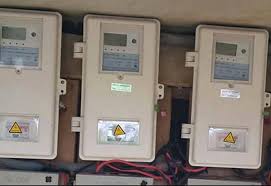
A major confrontation has emerged between the Federal Government and Electricity Distribution Companies (DisCos) over the financing and rollout of 3.4 million smart meters under the World Bank-funded Distribution Sector Recovery Programme (DISREP). The conflict intensified this week after the Minister of Power, Adebayo Adelabu, issued a stern directive that all meters under this initiative must be installed at no cost to the consumer. “It is an illegality. It is an offence for the officials of distribution companies across Nigeria to request a dime before installation,” Adelabu stated during an inspection in Lagos, further vowing to prosecute any DisCo official or installer found collecting payments.
Despite the government’s insistence that the meters are free, DisCos have expressed significant concerns regarding the long-term financial architecture of the program. Industry executives argue that while consumers may not pay an upfront fee, the utilities are reportedly required to reimburse the government for the hardware over a 10-year period. “The government is saying the meters are free, but someone has to pay,” a senior DisCo executive noted, questioning the sustainability of the model given the sector’s existing liquidity crisis. This disagreement has stalled progress, with the Ministry of Power reporting that only 150,000 of the first one million procured meters have been installed, leaving hundreds of thousands of units idle in warehouses.
The Bureau of Public Enterprises (BPE) has waded into the controversy, clarifying that the costs will ultimately be recovered through future electricity tariffs rather than direct consumer payments at the point of installation. BPE Director-General Ayo Gbeleyi dismissed claims that DisCos were being unfairly burdened, accusing the companies of pushing a “misleading narrative” to resist the rollout. As the standoff continues, over 5.3 million unmetered customers remain trapped in the cycle of estimated billing, even as the national grid experienced its first two collapses of 2026 on January 23 and January 27, further highlighting the systemic instability of the power sector.
