

Manny Ita –
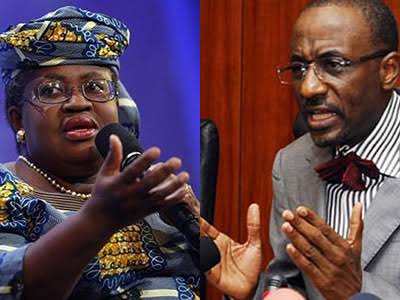
An email unsealed from the private records of late financier Jeffrey Epstein has indicated that World Trade Organization Director-General Ngozi Okonjo-Iweala and former Emir of Kano Muhammadu Sanusi II were proposed as potential guests for a private dinner gathering. The email, dated May 21, 2018, was sent by Epstein’s associate Robert Zeitlin, approximately one year before Epstein’s final arrest and subsequent death in federal custody.
The correspondence, titled “Re:”, followed a request by Epstein seeking recommendations for “two or three people that think out of the box” to attend a “fun dinner” scheduled for June of that year. In response, Zeitlin suggested Okonjo-Iweala, who was serving as Nigeria’s former finance minister at the time, and Sanusi, a former Governor of the Central Bank of Nigeria.
Zeitlin described the suggested individuals as representing “different levels of originality,” noting in particular that Sanusi was “probably the most out of the box name” among those listed. The proposed guest list also included historian Niall Ferguson and businessman Leo Marx, whom Zeitlin described as a “broad and well-informed thinker” and “brilliant, fun,” respectively.
The unsealed correspondence does not establish that formal invitations were sent to the Nigerian figures or that the proposed dinner was eventually held. There is also no indication within the disclosed documents that Okonjo-Iweala or Sanusi had prior knowledge of the proposal or maintained any personal relationship with Epstein.
The disclosure forms part of a wider release of documents outlining Epstein’s attempts to maintain connections with influential global personalities. While inclusion in such correspondence does not suggest wrongdoing or awareness of Epstein’s criminal activities, the revelations have continued to attract scrutiny regarding the financier’s outreach to high-level political and economic figures. Neither Okonjo-Iweala nor Sanusi has publicly responded to the contents of the 2018 email.
Representatives for the former Emir of Kano, Muhammadu Sanusi II, and World Trade Organization Director-General Ngozi Okonjo-Iweala have moved to clarify their lack of involvement following the release of unsealed documents suggesting they were proposed guests for a dinner with the late financier Jeffrey Epstein. The names surfaced in a 2018 email chain sent by Epstein’s associate, Robert Zeitlin, which was part of a cache of 3.5 million files unsealed by a United States court.
The email, dated May 21, 2018, described Sanusi as “probably the most out of the box name” on a list of potential attendees for a “fun dinner” Epstein intended to host that June. However, Bashir Jentile, a spokesperson for the former Emir, stated on Wednesday that the office was entirely unaware of the communication or any subsequent invitation. “I was unaware of any invitation to the emir to attend Mr Epstein’s dinner events,” Jentile said, addressing inquiries into the matter.
Similarly, there has been no evidence to suggest that Dr. Okonjo-Iweala, who was serving as a former Nigerian Finance Minister at the time of the email, was ever contacted or aware of the proposal. While she has yet to issue a personal statement, her spokesperson, Patrick Nwabuikwu, did not provide an immediate response to requests for comment as the reports emerged. The documents, which include heavily redacted correspondences, do not confirm that invitations were formally extended to the Nigerian figures or that the gathering took place.
Legal experts and observers have noted that being mentioned in such documents does not indicate wrongdoing or any personal acquaintance with Epstein, who died in federal custody in 2019. The unsealed files primarily illustrate the extensive efforts made by Epstein and his associates to curate a network of globally influential “independent thinkers” in the years leading up to his final arrest. Despite the lack of confirmed contact, the mention of high-ranking Nigerian officials has sparked significant public interest and renewed scrutiny of the financier’s reach into international economic and political circles.
