

Manny Ita
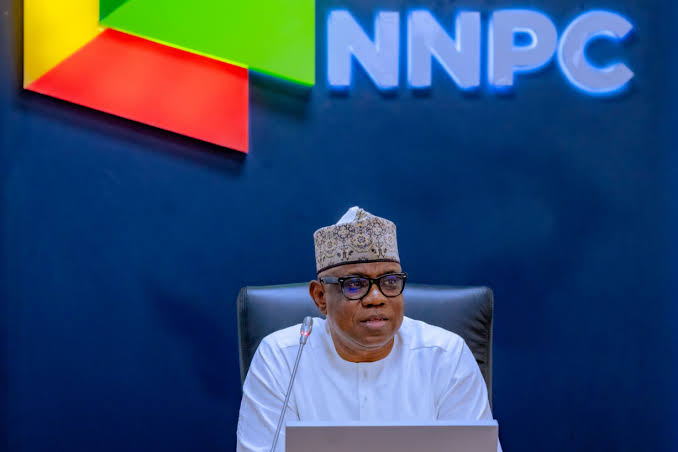
The Nigerian National Petroleum Company Limited (NNPC Ltd) officially launched the Gas Master Plan 2026 (NGMP 2026) on Friday, January 30, 2026, at the NNPC Towers in Abuja. The comprehensive roadmap, described as “Gas Master Plan 2.0,” is designed to transition Nigeria from a nation of “resource potential” to one of “resource translation” by prioritizing domestic gas supply for national industrialization and energy security. Minister of State for Petroleum Resources (Gas), Rt. Hon. Ekperikpe Ekpo, stated during the unveiling that the plan represents a “deliberate shift towards a more integrated, commercially driven, and execution-focused gas sector.” He emphasized that with Africa’s largest proven gas reserves, the government’s primary challenge remains “translating resources into reliable supply, infrastructure into value, and policy into measurable outcomes for our economy and our people.”
The NGMP 2026 is anchored on several key pillars, including the Presidential mandate to increase national gas production to 10 billion cubic feet per day (BCF/D) by 2027. NNPC Group Chief Executive Officer, Engr. Bashir Bayo Ojulari, characterized the document as an “execution-anchored roadmap” intended to catalyze over $60 billion in new investments across the value chain by 2030. Central to this strategy is the completion of critical infrastructure, such as the $2.8 billion Ajaokuta–Kaduna–Kano (AKK) gas pipeline, which Ojulari confirmed is set to commence full operations in early 2026. The plan also prioritizes the elimination of routine gas flaring by 2027 and the expansion of national processing capacity to support gas-based industries.
This domestic energy push coincides with a major diplomatic milestone, as President Recep Tayyip Erdoğan of Türkiye and President Bola Ahmed Tinubu announced a target to increase bilateral trade volume to $5 billion. During a state visit to Ankara earlier this week, both leaders signed eight legal instruments, including a military cooperation protocol and memorandums of understanding on energy and infrastructure. President Erdoğan noted that the current trade volume of approximately $2 billion does not reflect the “true potential” of the two nations, adding that the newly established Joint Economic and Trade Committee (JETCO) will serve as a vehicle to expand Turkish investments in Nigeria’s energy and agricultural sectors.
