

Manny Ita
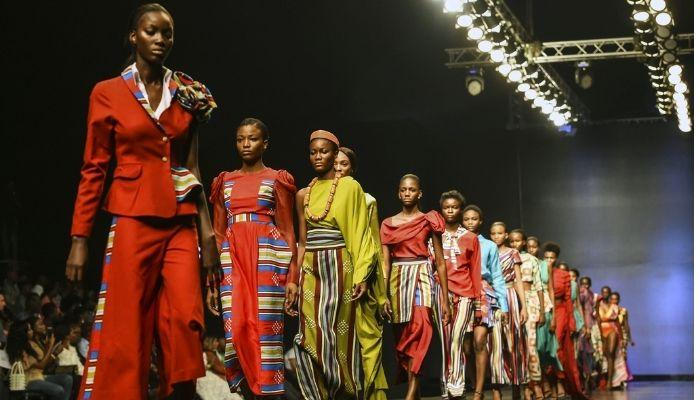
A comprehensive industry report released on Sunday, January 25, 2026, has highlighted a pivotal shift in Nigeria’s fashion landscape, detailing its rapid evolution from an informal tailoring culture into a structured, high-growth economic sector. The report, titled “Creativity to Capital: The 2026 Nigeria Fashion Outlook,” reveals that the integration of advanced digital tools—including AI-driven design software, 3D prototyping, and virtual try-on technologies—is bridging the gap between local craftsmanship and global industrial standards. This technological leap has catalyzed a wave of international investment, with venture capital inflow into Nigerian fashion-tech startups reportedly increasing by 35% over the last 12 months.
The formalization of the sector is being driven by the adoption of platforms that allow designers to scale operations beyond traditional physical storefronts. According to the report, AI measurement tools are now enabling local tailors to service the diaspora and international markets with precision, significantly reducing the return rates associated with “made-to-measure” exports. Furthermore, the launch of the National Industrial Policy in mid-January 2026 has provided a much-needed framework for the industry, aligning designers with investors and government incentives aimed at modernizing 50% of the nation’s textile capacity. Stakeholders emphasize that this transition is turning “fragmented passion into structured progress,” positioning Nigeria to lead Africa’s projected $500 billion textile and apparel market.
The report also underscores the role of digital transformation in fostering sustainability and inclusivity within the trade. By utilizing AI to analyze real-time consumer data, brands like Dimeji Ilori and Pepper Row are optimizing their supply chains to minimize waste, moving away from the “take-make-dispose” model toward a circular economy. Commenting on the data, industry analyst Dr. Funmi Labode stated, “The fashion industry is no longer just about looking good; it is about looking at the bottom line. By digitizing our heritage, we are not just dressing the future—we are designing, producing, and finally benefiting from it.” This newfound industrial structure is expected to create over 1.2 million jobs by 2030, reinforcing fashion’s role as a major driver of Nigeria’s GDP.
