

Manny Ita
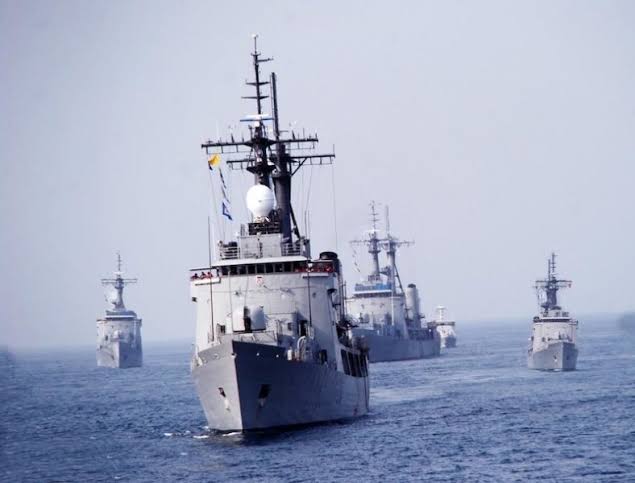
Nigeria has emerged as the leading naval power in Africa following the release of the 2026 Global Firepower Index, which ranks the Nigerian Navy first on the continent and 22nd globally in terms of naval fleet strength. The ranking places Nigeria ahead of other major African maritime forces, including Egypt, Algeria, Morocco and South Africa.
The Global Firepower Index, which assesses 145 countries worldwide, attributes Nigeria’s top position primarily to the size and operational scope of its naval fleet. According to the report, Nigeria currently operates a total of 152 active naval vessels, giving it the largest fleet in Africa by number.
The breakdown of the fleet shows a strong emphasis on patrol and coastal security operations. Out of the total vessels, 132 are patrol craft, including offshore patrol vessels, fast attack boats, gunboats and missile boats. The fleet also includes one frigate and two mine warfare vessels, underscoring Nigeria’s focus on maritime security rather than deep-sea power projection.
Despite its leading position in Africa, the report notes that Nigeria does not operate submarines, aircraft carriers, destroyers or corvettes, assets typically associated with blue-water navies. Analysts say this reflects a strategic orientation centred on coastal defence, internal waterways and the protection of economic assets rather than global naval reach.
Nigeria’s naval strength is considered critical given the country’s extensive maritime responsibilities. The nation has an Atlantic coastline stretching approximately 853 kilometres, alongside more than 8,600 kilometres of inland waterways. These waters host vital oil and gas infrastructure, busy shipping lanes and fishing zones, all of which have been targets of piracy, smuggling and other maritime crimes in the past.
The report highlights the Nigerian Navy’s role in counter-piracy operations in the Gulf of Guinea, where coordinated patrols and regional cooperation have contributed to a decline in reported incidents in recent years. It also points to the navy’s involvement in safeguarding offshore energy installations and supporting broader national security efforts.
In the wider African context, Egypt ranked second in naval strength with 149 vessels, followed by Algeria with 111, Morocco with 100 and South Africa with 63. Globally, Nigeria’s 22nd position places it ahead of several countries with longer naval traditions but smaller active fleets.
Beyond naval power, the Global Firepower Index continues to rank Nigeria among Africa’s top military forces overall, typically placing it behind Egypt and Algeria when land, air and naval capabilities are combined. Nigeria’s overall global military ranking remains around the mid-30s.
The rise in naval standing coincides with increased government spending on defence and security, with the 2026 budget reflecting continued investment in equipment acquisition, training, personnel welfare and international military cooperation. Defence officials have repeatedly stated that strengthening maritime security remains a priority, particularly in protecting national economic interests and maintaining stability in the Gulf of Guinea.
The 2026 ranking marks a significant milestone for Nigeria’s defence posture, reinforcing its position as a key maritime security actor in Africa and a central player in regional naval operations.
