

Manny Ita –
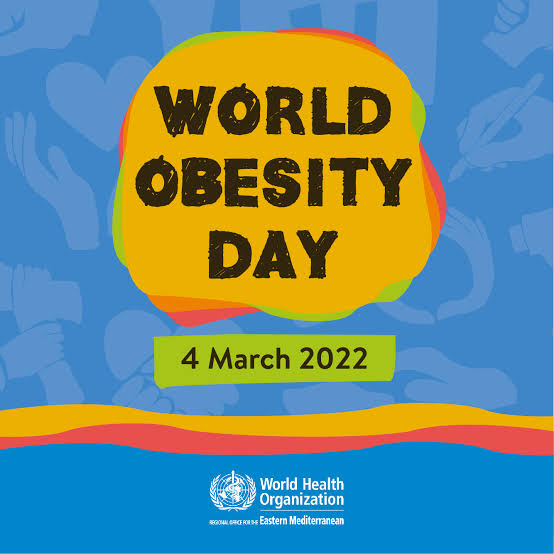
Health experts on Tuesday called on the Federal Government to integrate obesity prevention and routine weight monitoring into services offered at Primary Healthcare Centres (PHCs) across the country, as stakeholders marked World Obesity Day.
The appeal comes amid growing concerns over rising cases of overweight and obesity among adults and children, which experts say are contributing to an increase in non-communicable diseases such as diabetes, hypertension and cardiovascular disorders.
Speaking to journalists in Lagos to commemorate the day, a public health physician, Dr. Amina Yusuf, said obesity should be treated as a national public health priority. “Obesity is not merely a cosmetic issue; it is a chronic disease that significantly increases the risk of other life-threatening conditions,” she said. “We are urging the government to ensure that every Primary Healthcare Centre routinely measures body mass index and provides counselling on nutrition and physical activity.”
World Obesity Day is observed annually on March 4 to raise awareness about the global obesity crisis and promote practical solutions to address it.
According to health professionals, integrating obesity screening into PHCs would allow early detection and timely intervention, particularly in rural and underserved communities where access to specialist care is limited. They noted that PHCs serve as the first point of contact for millions of Nigerians seeking medical care.
“Routine weight checks should be as standard as checking blood pressure,” said Prof. Chinedu Okafor, a consultant endocrinologist. “If we can identify weight gain early, we can prevent complications like type 2 diabetes and stroke. Prevention is far more cost-effective than treatment.”
Experts also stressed the need for public education campaigns to address unhealthy diets, sedentary lifestyles and misconceptions surrounding body weight. They warned that cultural perceptions that equate excess weight with prosperity could hinder efforts to curb the trend.
A nutritionist, Mrs. Folake Adeyemi, said, “There must be sustained awareness at the community level. People need to understand portion control, balanced diets and the importance of regular exercise. PHCs can serve as hubs for this education.”
Stakeholders further called for the training of frontline health workers to provide counselling on weight management and lifestyle modification. They argued that equipping nurses and community health extension workers with the right tools would significantly expand the reach of prevention efforts.
They also urged policymakers to develop clear national guidelines on obesity screening and management at the primary care level, including standardized protocols for referral to secondary and tertiary facilities when necessary.
As activities marking World Obesity Day continue nationwide, health advocates maintained that integrating prevention into primary healthcare would be a critical step toward reducing the long-term burden of non-communicable diseases in the country. “If we fail to act now, the health and economic consequences will be severe,” Dr. Yusuf said. “Primary care is where prevention must begin.”
