

Manny Ita –
The Federal Government has inaugurated a new initiative aimed at addressing the shortage of specialised healthcare professionals in Nigeria, particularly in the fields of occupational therapy, audiology, and speech therapy.
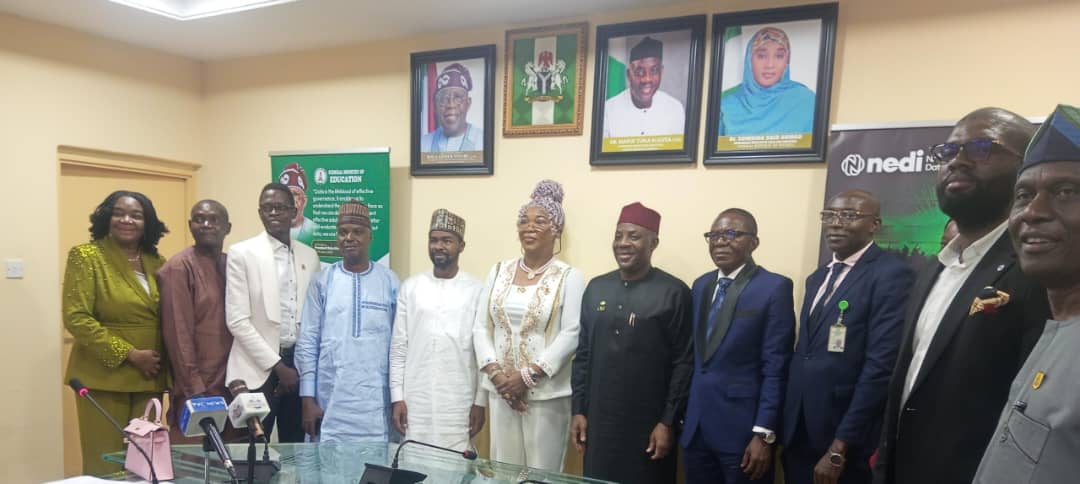
The move was announced by the Minister of Education, Maruf Tunji Alausa, who confirmed the establishment of the National Committee for the Advancement of Occupational Therapy, Audiology, and Speech Therapy Education (NCAOTASTE).
The committee was created to expand training capacity and improve access to therapy-related healthcare services across the country, amid growing concerns over the limited number of professionals available in the sector.
According to the minister, Nigeria is currently facing a significant gap in access to therapy services, affecting children with developmental conditions such as autism, stroke patients requiring rehabilitation, and families struggling to access care.
He explained that the shortage is worsened by the limited number of training institutions producing specialists in these fields, as well as the migration of skilled professionals abroad in search of better opportunities.
The minister noted that the new committee will focus on expanding degree programmes, strengthening clinical training, and improving professional standards through collaboration with relevant regulatory and educational bodies.
These include the Medical Rehabilitation Therapists (Registration) Board of Nigeria, the National Universities Commission, and the Tertiary Education Trust Fund.
He further stated that the initiative is designed to scale up Nigeria’s specialised healthcare workforce and improve the quality of care available in hospitals, schools, and communities nationwide.
The minister also highlighted that the intervention goes beyond education reform, describing it as a step toward improving dignity, inclusion, and equitable access to healthcare services.
Health data cited by relevant authorities indicate that Nigeria currently has a very low number of occupational therapists and speech therapists, leaving many health facilities without adequate specialist support.
The shortag has contributed to delays in treatment and limited rehabilitation outcomes for patients, while many families are forced to rely on expensive private care or go without treatment entirely.
The government said the new committee is expected to develop long-term strategies to close the workforce gap and strengthen therapy education and practice across the country.
