

Manny Ita –
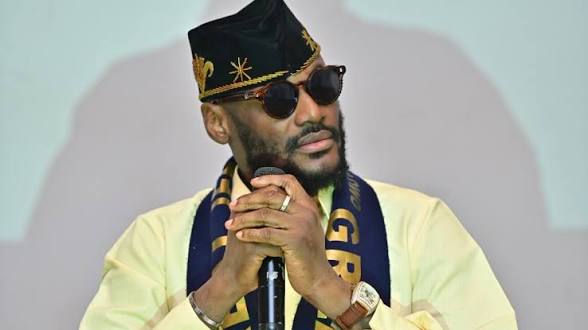
Nigerian music icon Innocent Idibia, popularly known as 2Baba, has sparked widespread debate after describing himself as an “unofficial ambassador for Nigeria” while asserting that the country has made significant developmental progress compared to previous decades.
The award-winning artist made the remarks during a public appearance and subsequent social media engagement, where he reflected on Nigeria’s growth trajectory, noting improvements in infrastructure, global perception, and opportunities for young people. According to him, while challenges remain, the overall direction of the country shows signs of advancement when viewed over a longer historical period.
“I see myself as an unofficial ambassador for Nigeria,” he said, emphasizing his long-standing role in promoting the country’s image through music and international engagements. He added that narratives about Nigeria often focus heavily on present difficulties without acknowledging strides made in sectors such as entertainment, technology, and youth-driven enterprise.
The comments quickly gained traction online, triggering mixed reactions among Nigerians. Supporters of the singer echoed his sentiments, pointing to the global success of Nigerian music, increased digital innovation, and expanding international recognition as evidence of progress. They argued that figures like 2Baba have played a key role in reshaping Nigeria’s global image and deserve to highlight positive developments.
However, critics pushed back strongly, contending that the realities of economic hardship, insecurity, and governance challenges overshadow claims of significant improvement. Many social media users questioned the basis of the singer’s assessment, insisting that everyday experiences for millions of Nigerians do not reflect the level of progress he described.
Some commentators also noted that public figures often face heightened scrutiny when speaking on national issues, particularly in a climate where citizens are increasingly vocal about accountability and governance. They argued that while optimism is important, it must be balanced with acknowledgment of ongoing systemic problems.
Despite the divided opinions, analysts say the conversation sparked by 2Baba’s remarks highlights a broader national discourse about how Nigeria’s development should be measured—whether through long-term trends or present-day realities. It also underscores the influence of celebrities in shaping public opinion and driving civic conversations.
2Baba, known not only for his musical achievements but also for his past involvement in advocacy and social campaigns, has previously spoken on national issues, often calling for unity and constructive engagement.
As reactions continue to pour in, the debate reflects the complexity of Nigeria’s socio-economic landscape, where progress and challenges coexist, and perceptions can vary widely depending on perspective.
